Muhlenberg’s History
Discover the rich history of Muhlenberg College
Founding and Early Years (1848-1900)
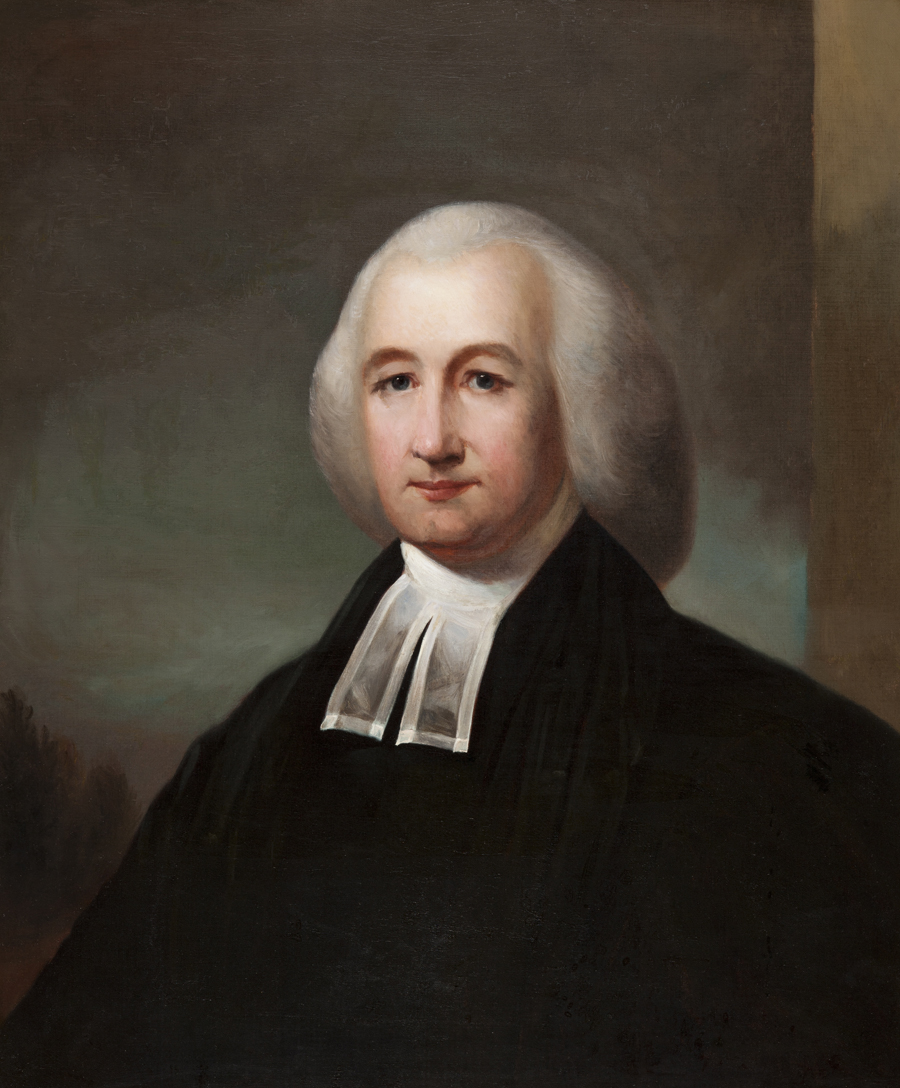
Muhlenberg College was founded in 1848. In 1867, Frederick A. Muhlenberg took the helm as the first college president with two purposes in mind: the education of the conscious and the cultivation of the heart. The institution’s name honors the president’s great-grandfather, Henry Melchior Muhlenberg, founder of the Lutheran Church in America.
Campus Growth (1900-1929)
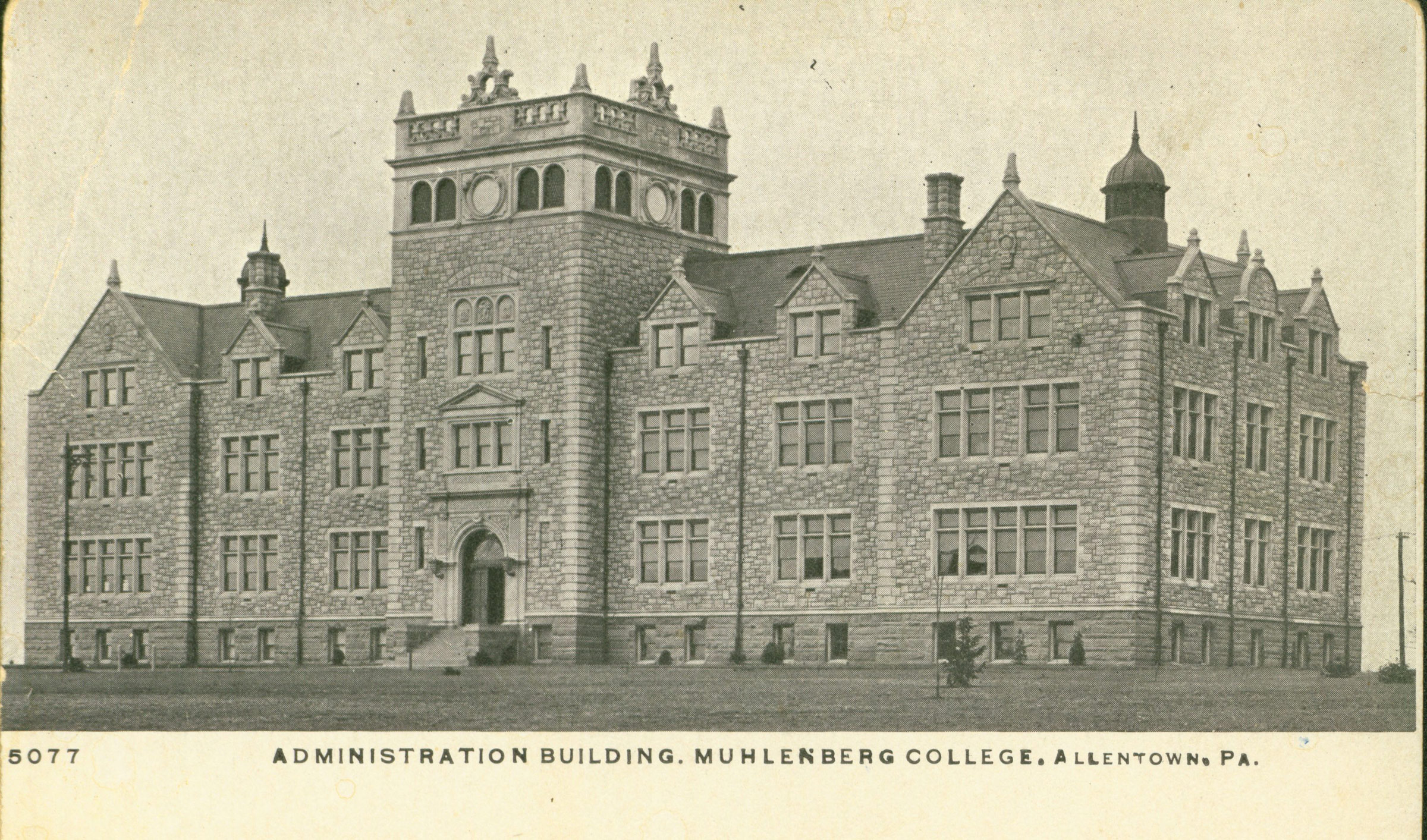
Trustees purchased land in west Allentown and construction began on Ettinger Hall (an administrative building) and East Hall (a campus residence building) from 1902 to 1903. In 1920, Muhlenberg's Extension School began granting degrees to women. Throughout the 1920s, more iconic campus buildings were added to the college, including the Haas Library (now Haas College Center), the Gideon F. Egner Memorial Chapel, and Trumbower Science Building
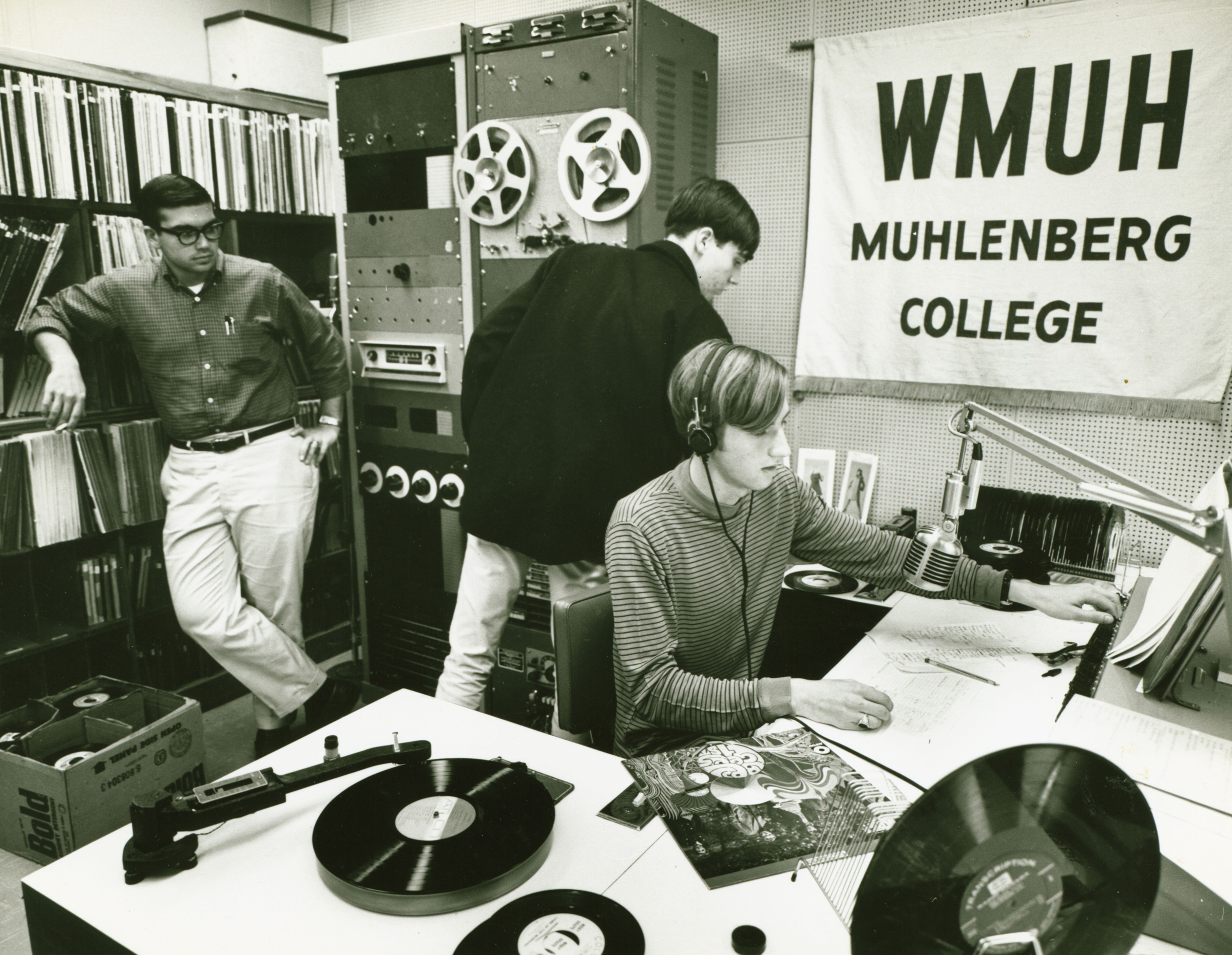
In 1948 and 1949, respectively, two Muhlenberg communication icons were established: the WMUH radio station and student newspaper, The Weekly.
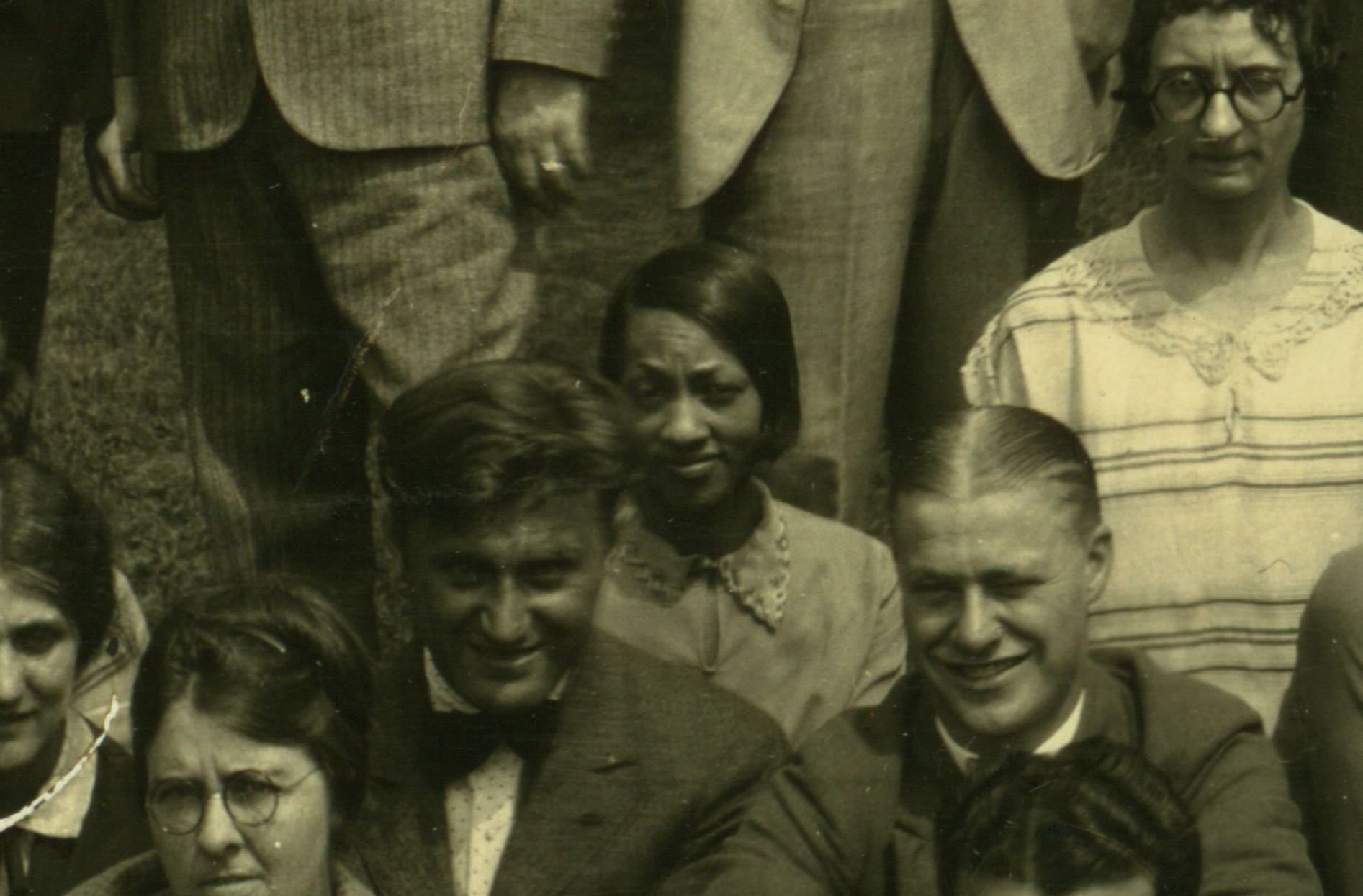
In 1951, the first African-American graduates earned Muhlenberg degrees, and by 1957 the college opened its doors to women as full-time students.
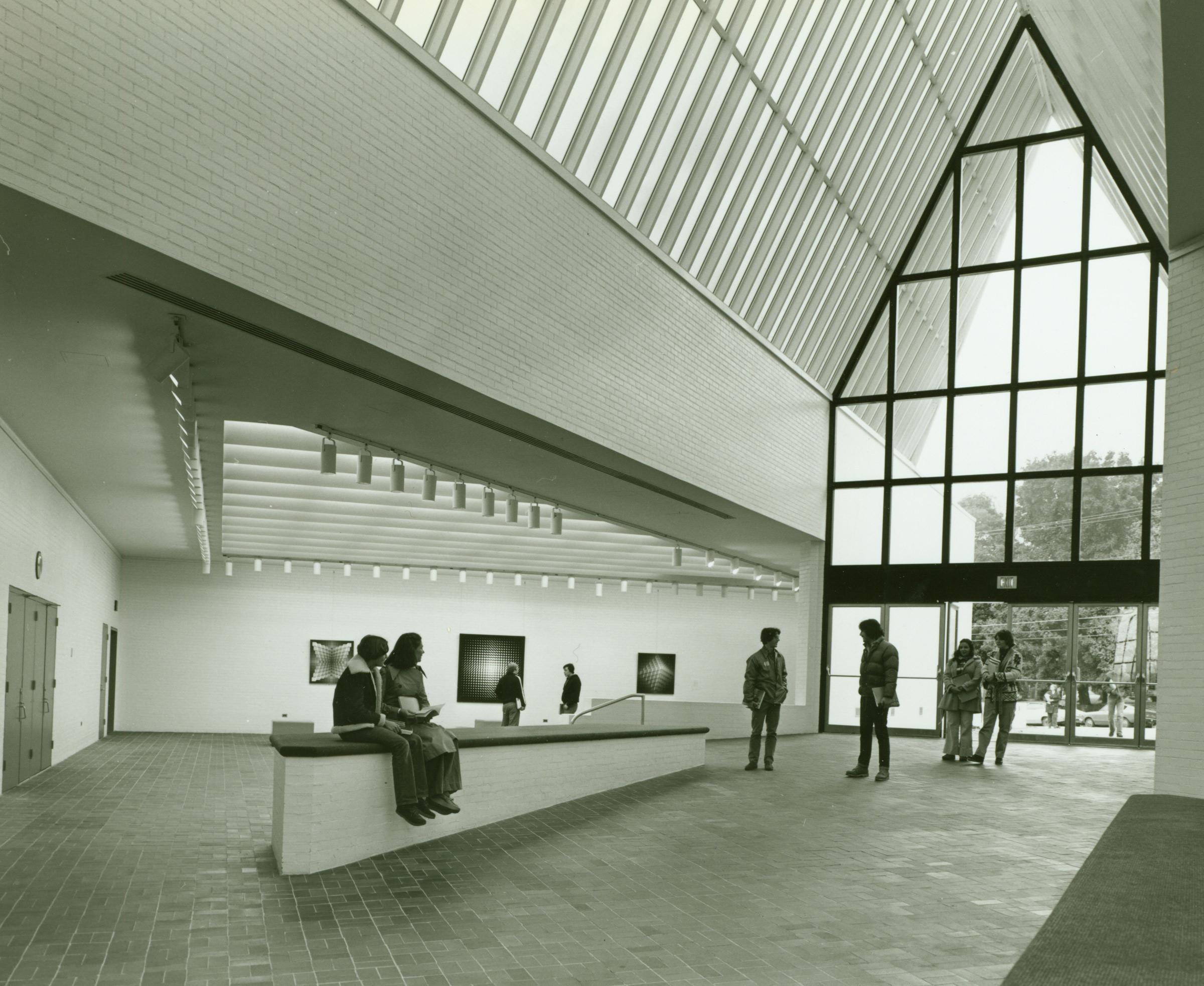
The college’s physical footprint expanded with the construction of Memorial Hall (1954), Prosser Hall (1959), the J. Conrad and Hazel J. Seegers Union (1963), and the Baker Center for the Arts (1976).
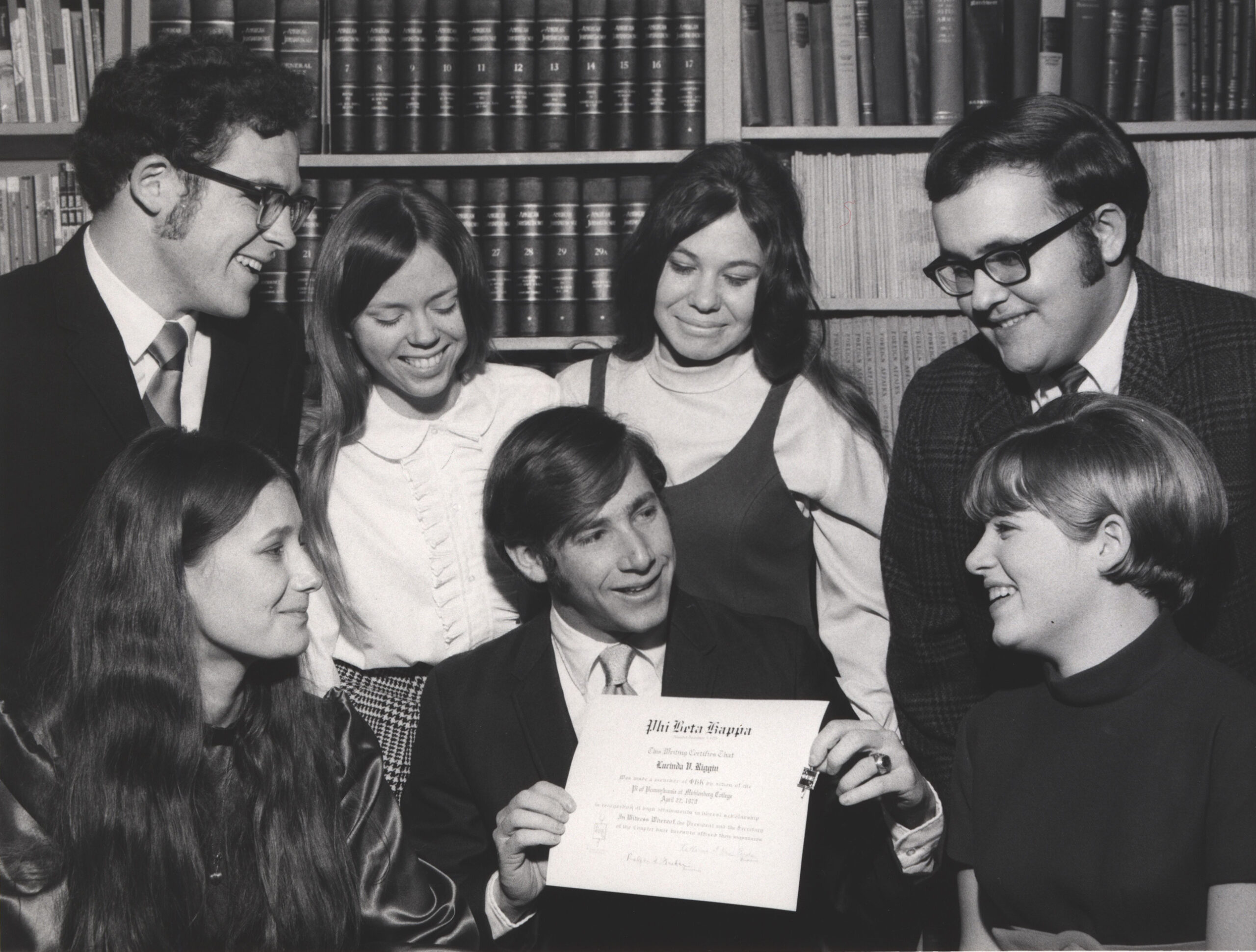
America’s most prestigious honor society, Phi Beta Kappa, welcomed a Muhlenberg chapter in 1967 and the college inaugurated its first Athletic Hall of Fame class in 1979.
Expansion and Recognition (1980-1999)
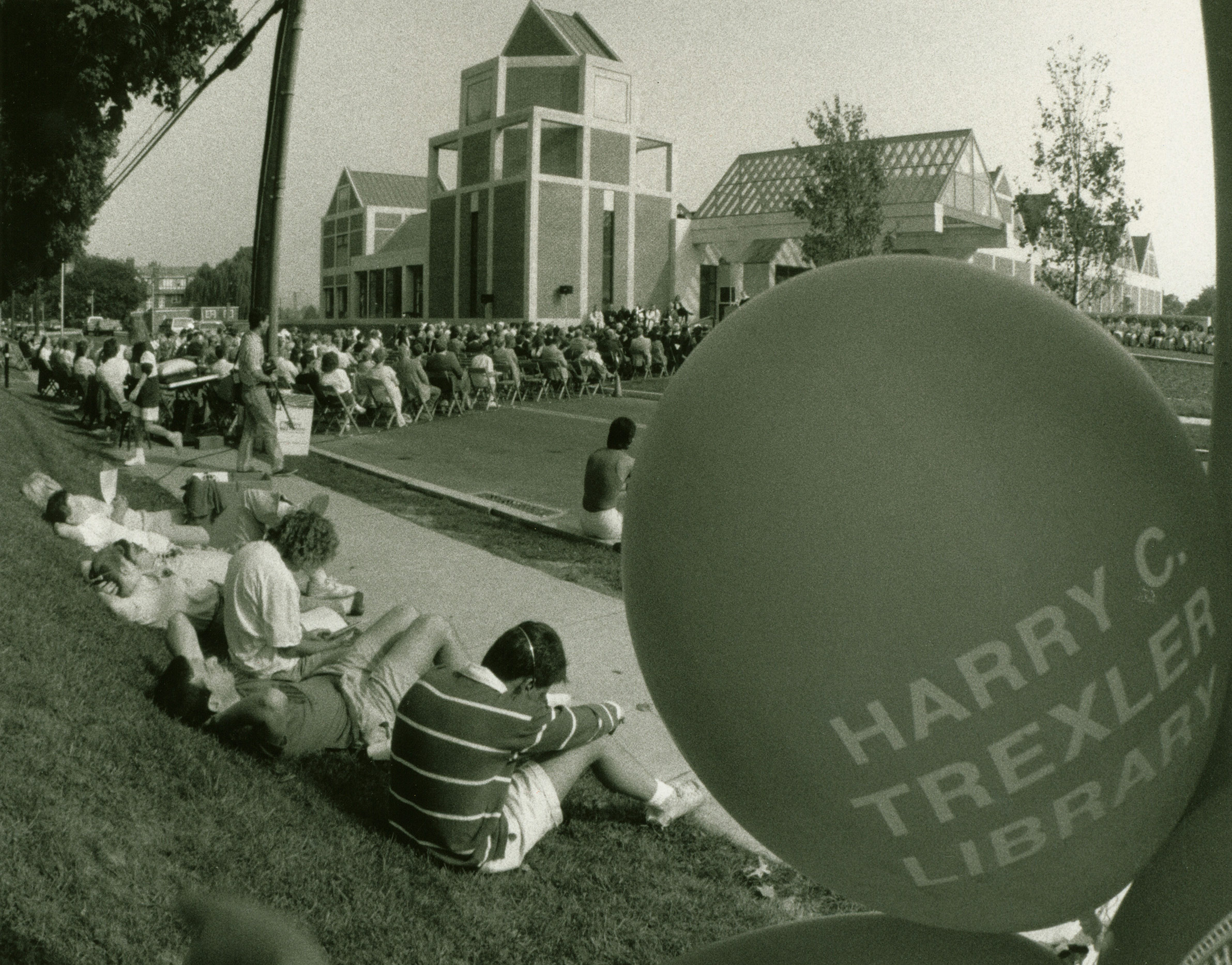
By the late 1980s, the college’s needs had outgrown the capacity of the Haas Library, and so construction began on the Trexler Library, dedicated in 1988. The former Haas Library became the administrative heart of campus as the Haas College Center.
Joining the Centennial Conference
In 1992, the college joined the Centennial Conference for Intercollegiate Athletics, and in 1977 an anonymous donor provided funds for new athletic fields and academic buildings on campus, including Moyer Hall and the Trexler Pavilion for Theatre and Dance.
Receiving Hillel Accreditation
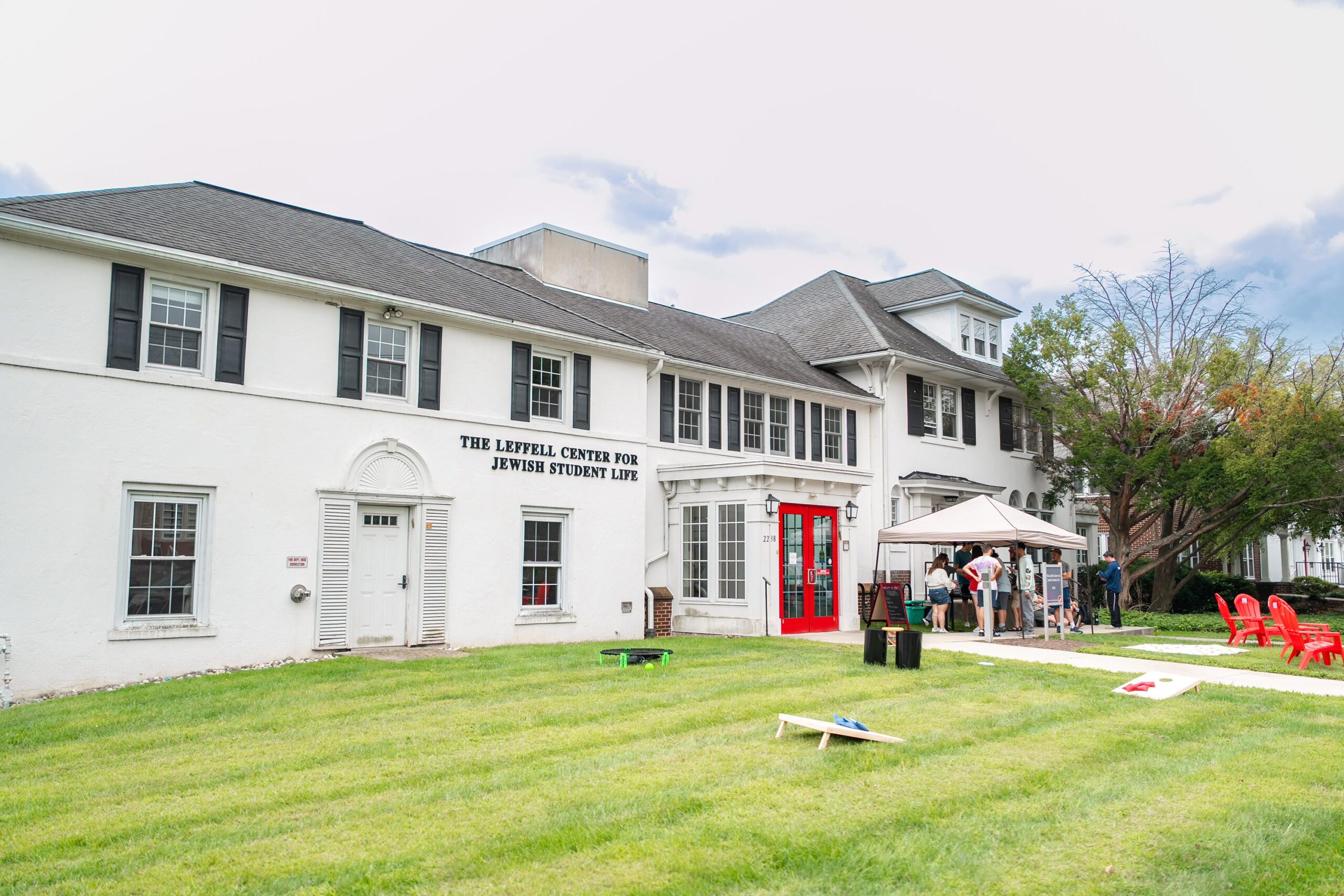
Muhlenberg became the first liberal arts college to receive Hillel accreditation and foundation status in 1996, strengthening the institution’s support for Jewish life on campus. In 1997, the college dedicated the New Science Building and the Multicultural Center, now MOSAIC.
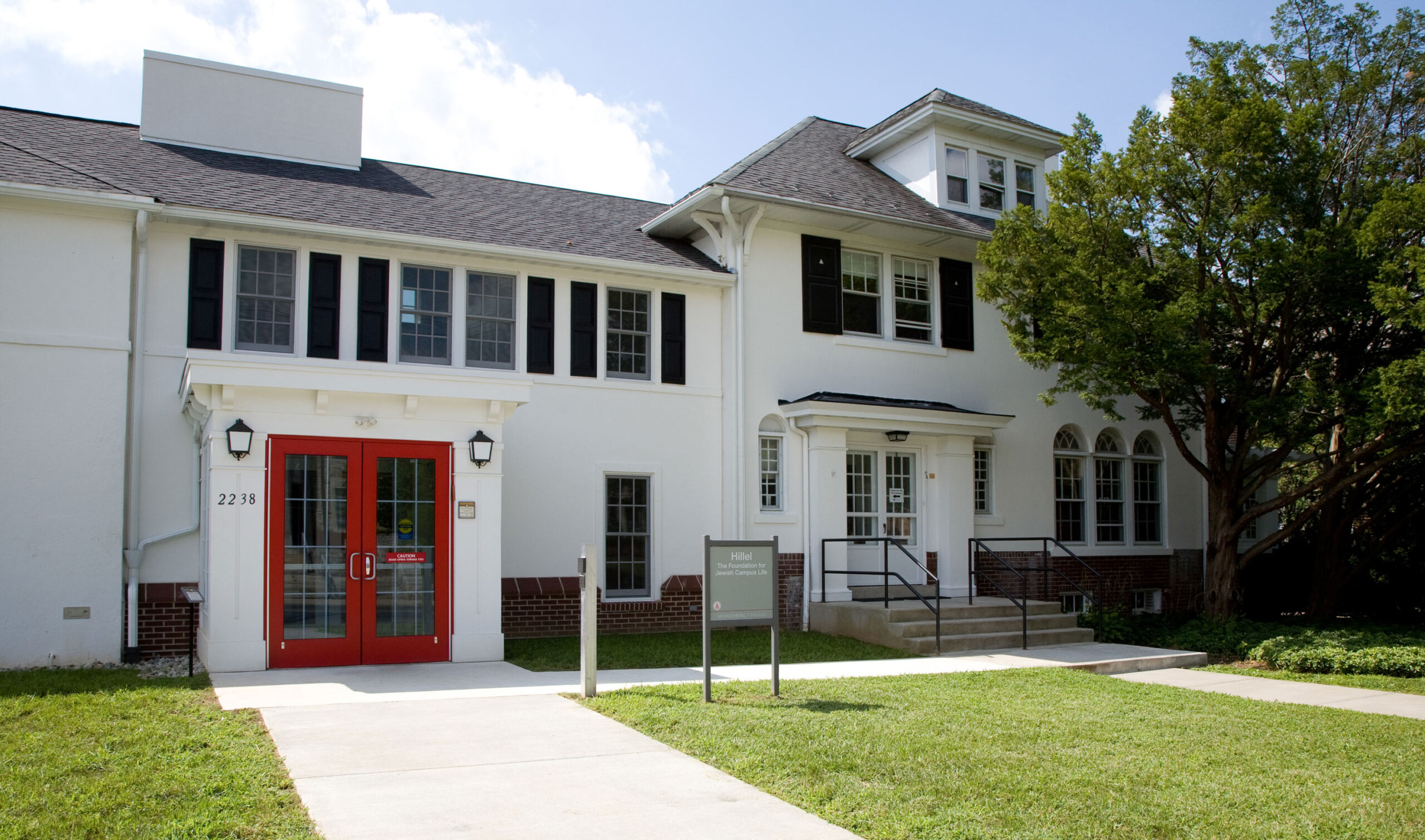
In 2011, the college celebrated the successful completion of The Talents Entrusted in Our Care campaign, which generated a total of $110.4 million. Capital projects included the renovation and expansion of Seegers Union and the dedication of the Ilene and Robert Wood Dining Commons, the new Hillel House, and the Rehearsal House.
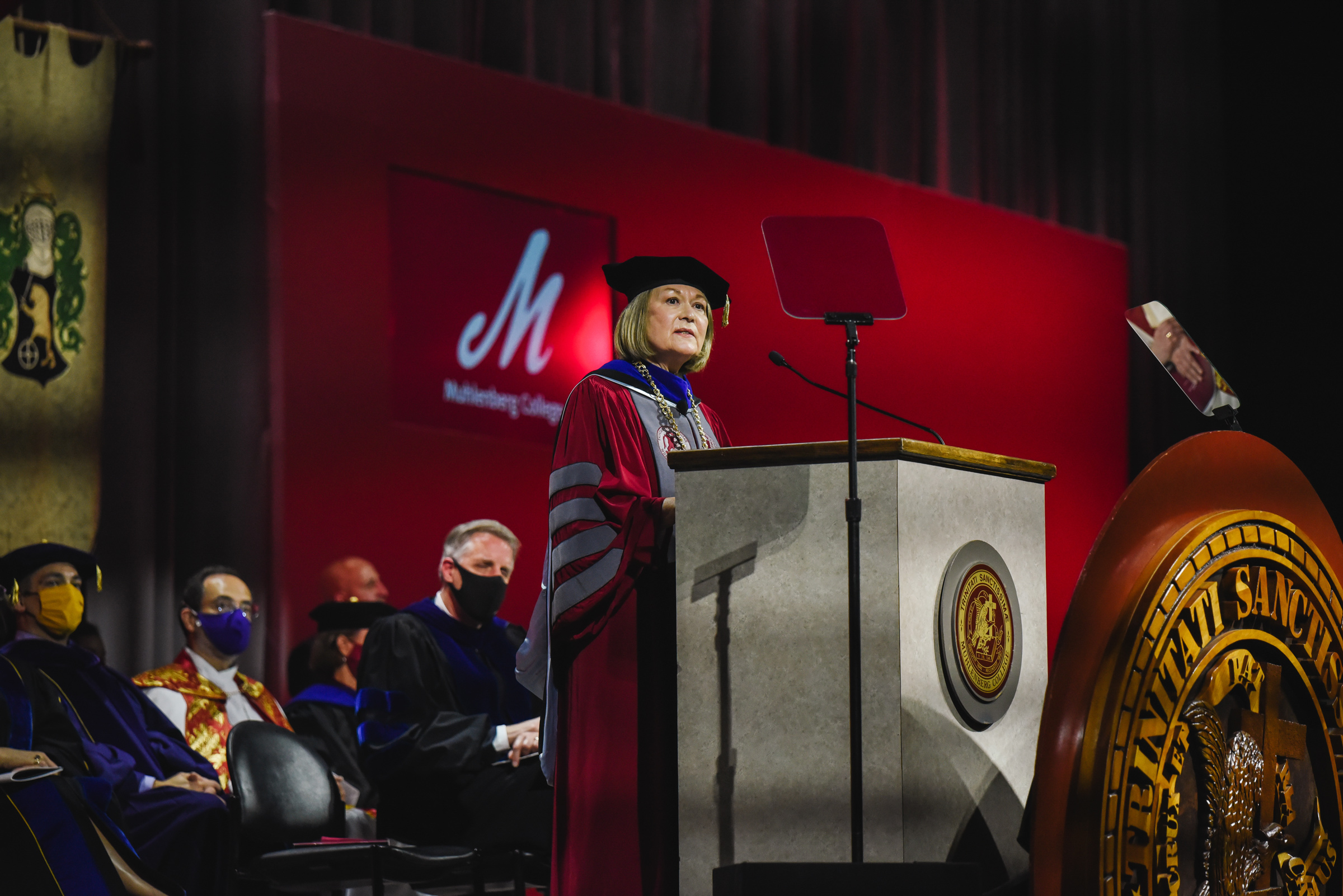
In 2021, Kathleen E. Harring was inaugurated 13th president of Muhlenberg College. She is the first woman to hold the position.
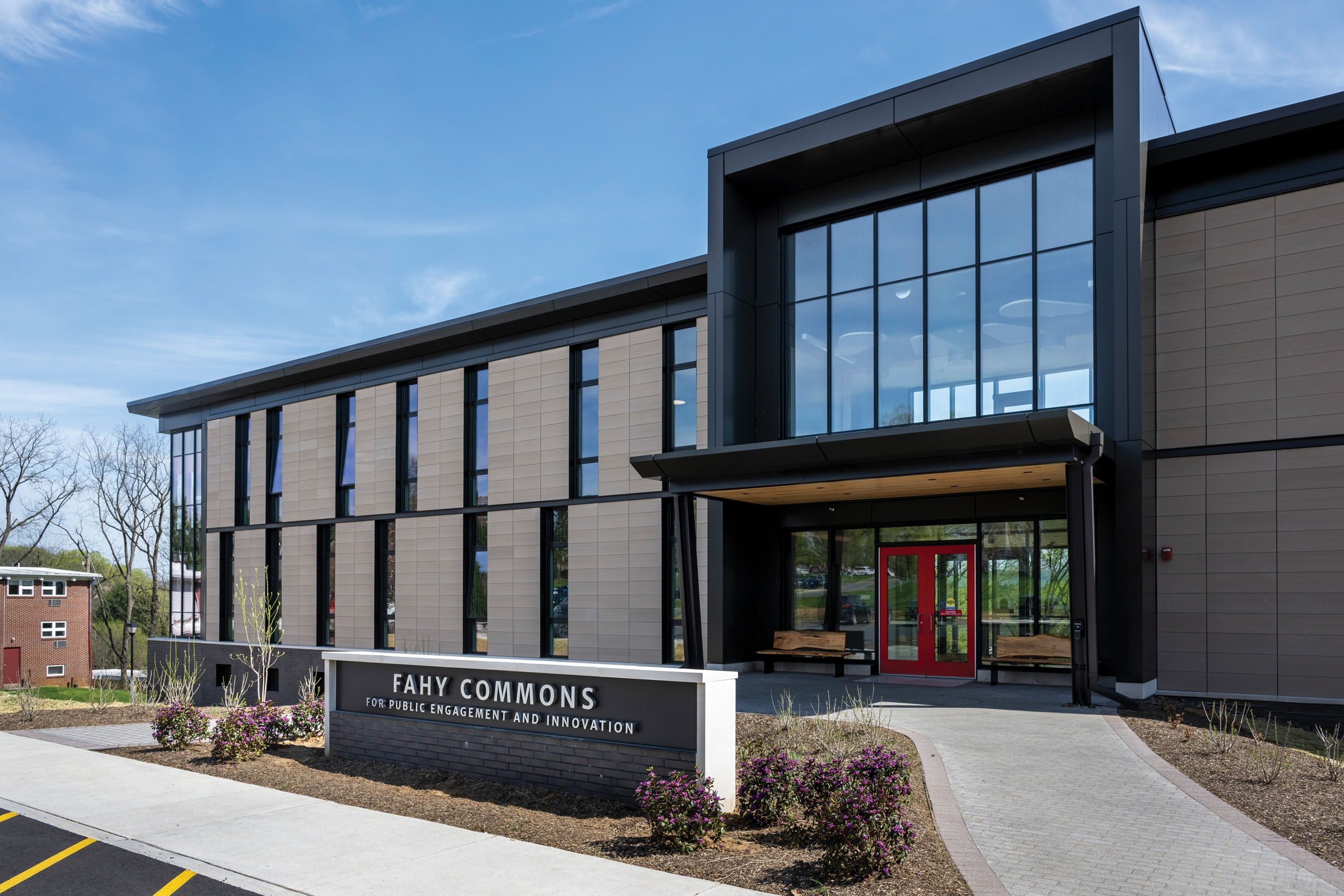
In 2023, Muhlenberg celebrated the 175th anniversary of its founding, recalling its rich history while looking forward to the future with dedication of its newest academic building, the Fahy Commons for Public Engagement and Innovation. Named in honor of Gerald P. Fahy ’79 and Cathleen A. Fahy following their $7.5 million gift to the college, the Fahy Commons has won many honors as a building with some of the highest sustainability standards in the world.
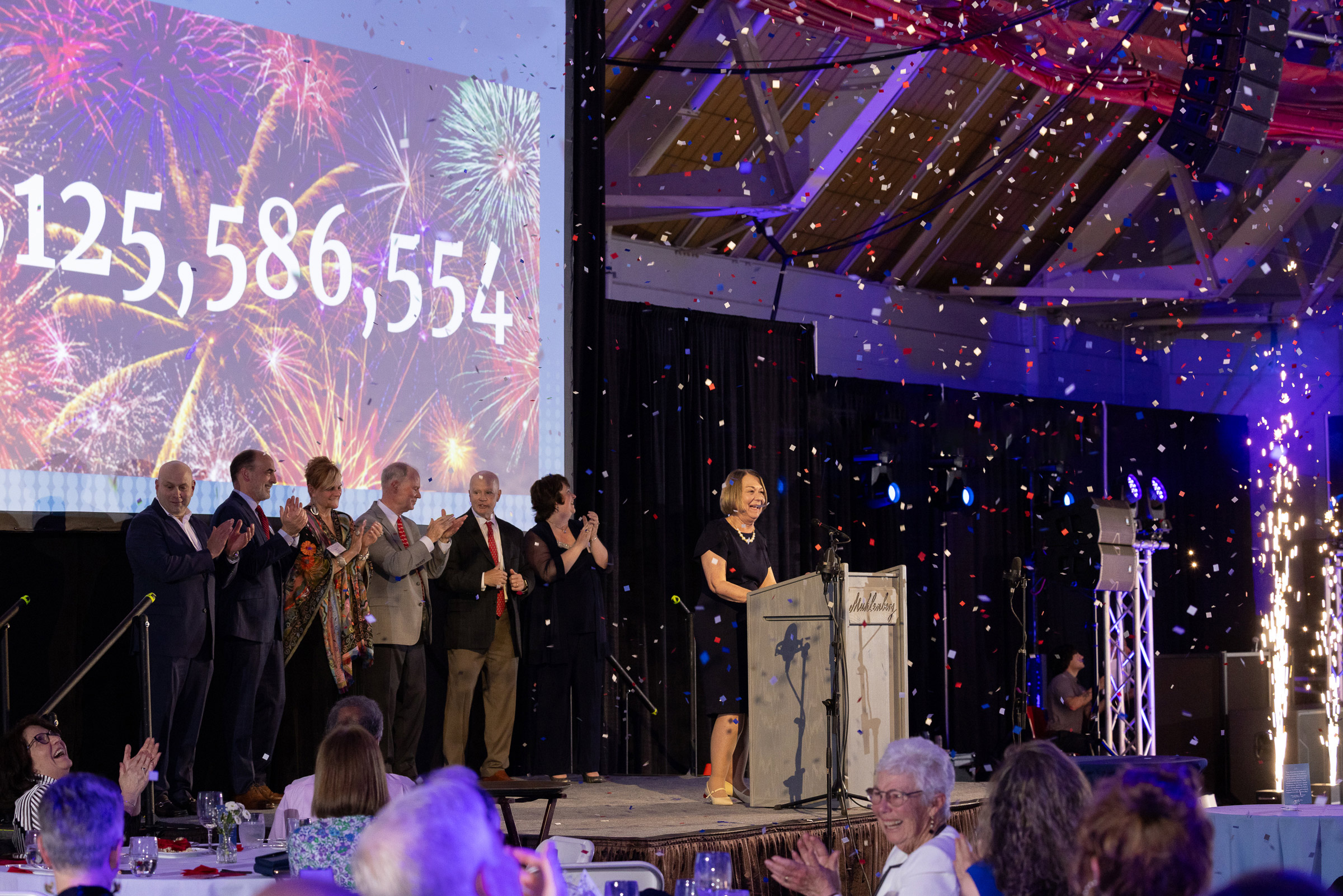
During the 175th anniversary celebration weekend, Muhlenberg also received the largest philanthropic gift from an individual or family in the college’s history. Edward ’42 and Lois Robertson gifted the college a more than $15 million estate gift, injecting more momentum into the fundraising campaign underway at the time, Boundless: The Campaign for Muhlenberg. Having begun in 2018, with the already ambitious goal of raising $111 million, the Boundless campaign raised its goal to $125 million. In the spring of 2025, Boundless: The Campaign for Muhlenberg not only met that expended goal, but exceeded it.
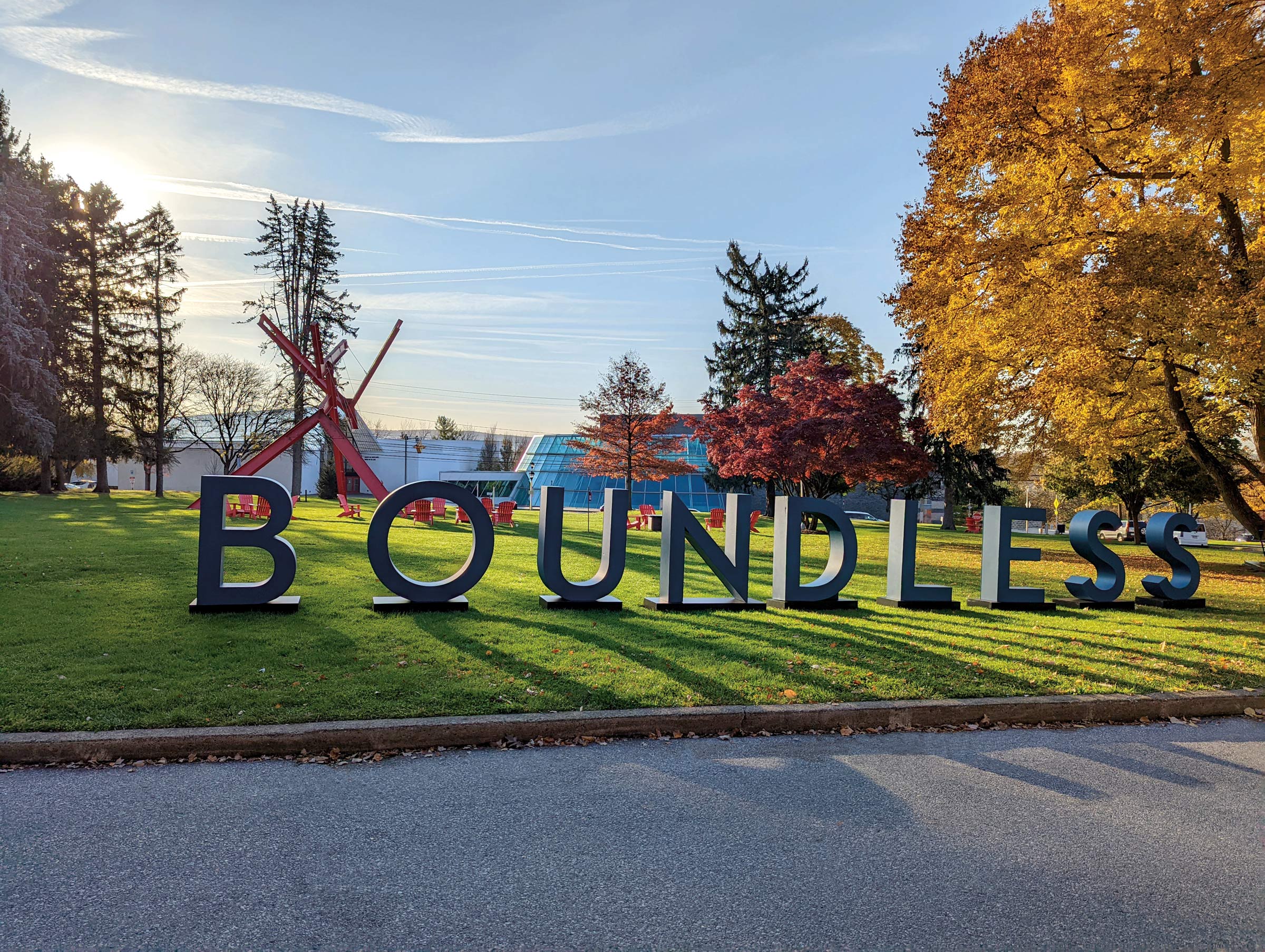
A Boundless Legacy
With the help of unprecedented levels of support from volunteers, Boundless: The Campaign for Muhlenberg met and exceeded its initial ($111 million) and increased ($125 million) goals despite significant external challenges.

Bold Ambition, Bold Investment
Muhlenberg celebrates its 175th anniversary and looks ahead toward a boundless future.