Computer Science
Think logically. Code creatively. Solve problems thoughtfully.
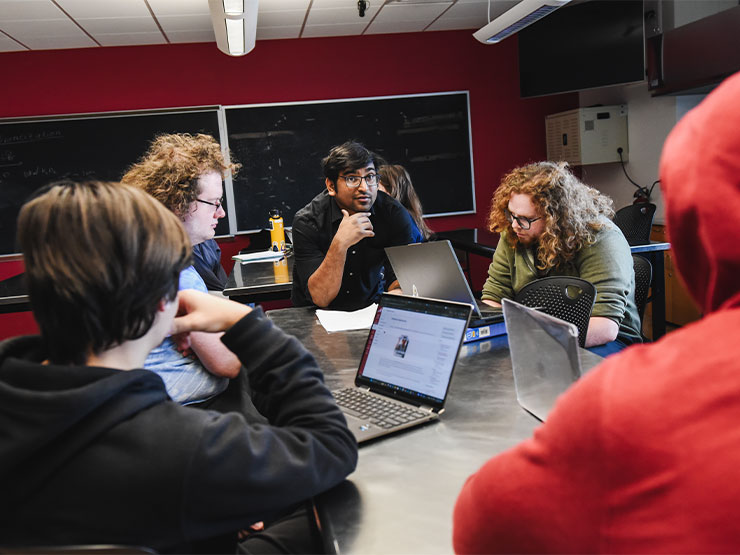
Why computer science matters:
From AI to cybersecurity to data science, computer science drives nearly every aspect of modern life. It’s not just about writing code — it’s about solving problems, automating systems, protecting information, and imagining new possibilities. A background in computer science opens doors to roles in every industry, from healthcare to finance to public policy.
How computer science is taught at Muhlenberg:
At Muhlenberg, computer science combines technical skill with big-picture thinking. Students learn core programming, theory, and systems design alongside cutting-edge topics like AI, data mining, and cybersecurity. Through close faculty mentorship and small classes, students develop strong communication, collaboration, and ethical reasoning skills, making them ready to innovate in a world that’s always evolving.
- 93%Working or enrolledSix months after graduation
- 8:1Student to FacultyClassroom ratio
- 80%HigherROI of a Muhlenberg degree compared with other college degrees across the nation
- 91%Retention rateMost Muhlenberg students return for their second year (compared with 58% national average)
Request Info
The computer science major begins with a foundation in programming, data structures, and theory before expanding into advanced electives such as machine learning, cybersecurity, and data analytics. The curriculum emphasizes problem-solving, software design, and algorithmic thinking.
Students can pursue an honors project through research or a community-engaged applied project. The major prepares students for careers in software development, systems administration, or graduate study and can be combined with the master’s in applied analytics 4+1 program to earn both degrees in five years.

Muhlenberg computer science students engage in hands-on learning from the start — developing software in our modern labs, conducting research with faculty, or pursuing independent study. Many students complete internships, apply classroom knowledge to community-based tech projects, and present their work at conferences.
Students in the honors program may complete applied projects for nonprofit organizations, gaining real-world experience while making a tangible impact. Whether you're building an app, analyzing data, or exploring AI, you’ll graduate with practical experience and a strong foundation for wherever tech takes you.
Powerful Outcomes
A Muhlenberg education sets you up for success. The liberal arts will hone your ability to think critically, communicate, and problem-solve, skills that are in high demand across all employment sectors.
The Numbers Don't Lie
Muhlenberg’s Department of Mathematics, Computer Science, and Statistics challenges students to work across disciplines, apply their knowledge through hands-on projects, and develop the technical and interpersonal skills to thrive in fields that are growing and evolving rapidly.
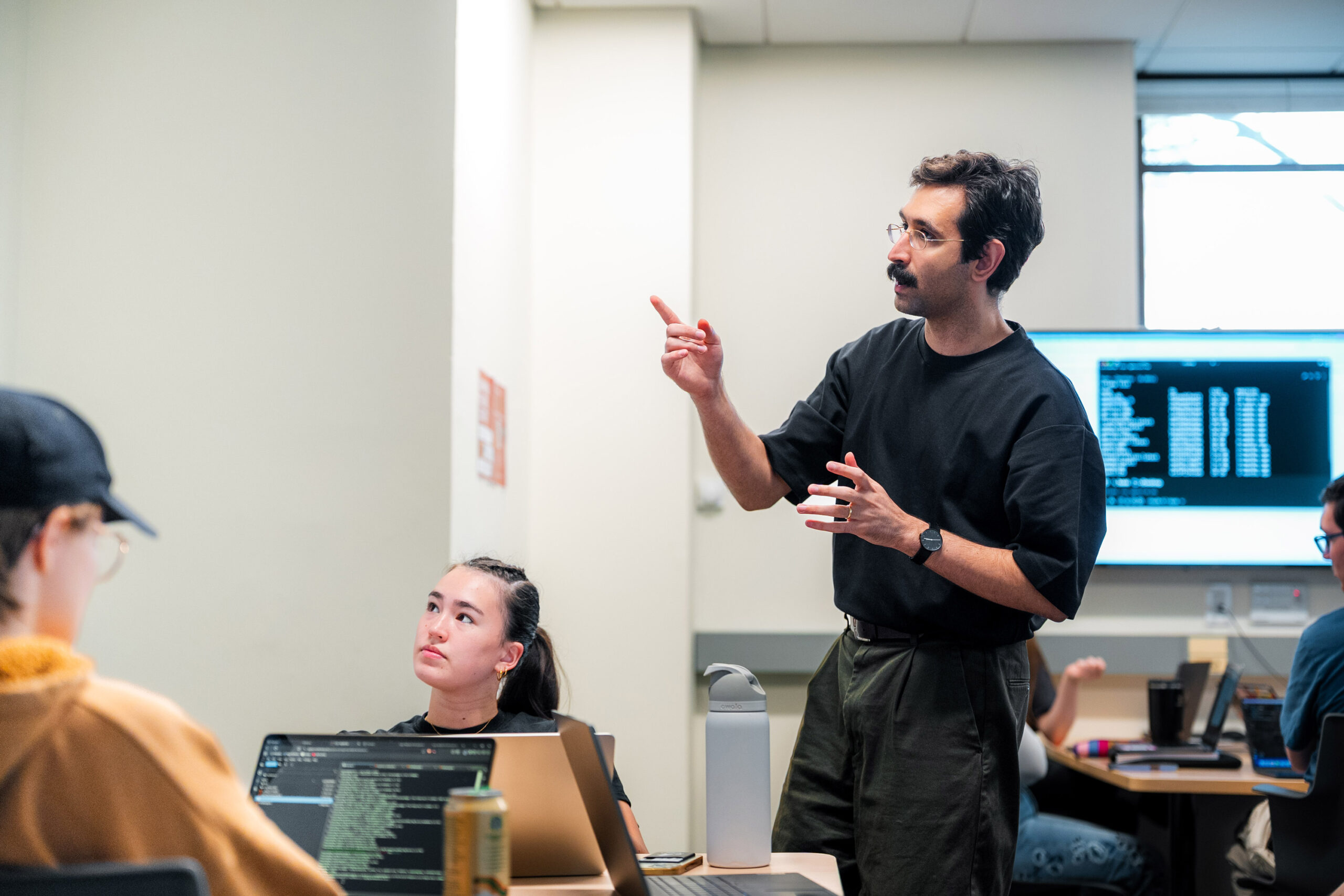
Knowledge in Action
Does AI still need humans? Is fentanyl airborne? How did certain vaccines and monuments become so polarizing? Questions like these lead to engaging discussion directly tied to issues currently facing our nation and world. It all begins with timely, innovative course creation by Muhlenberg faculty.
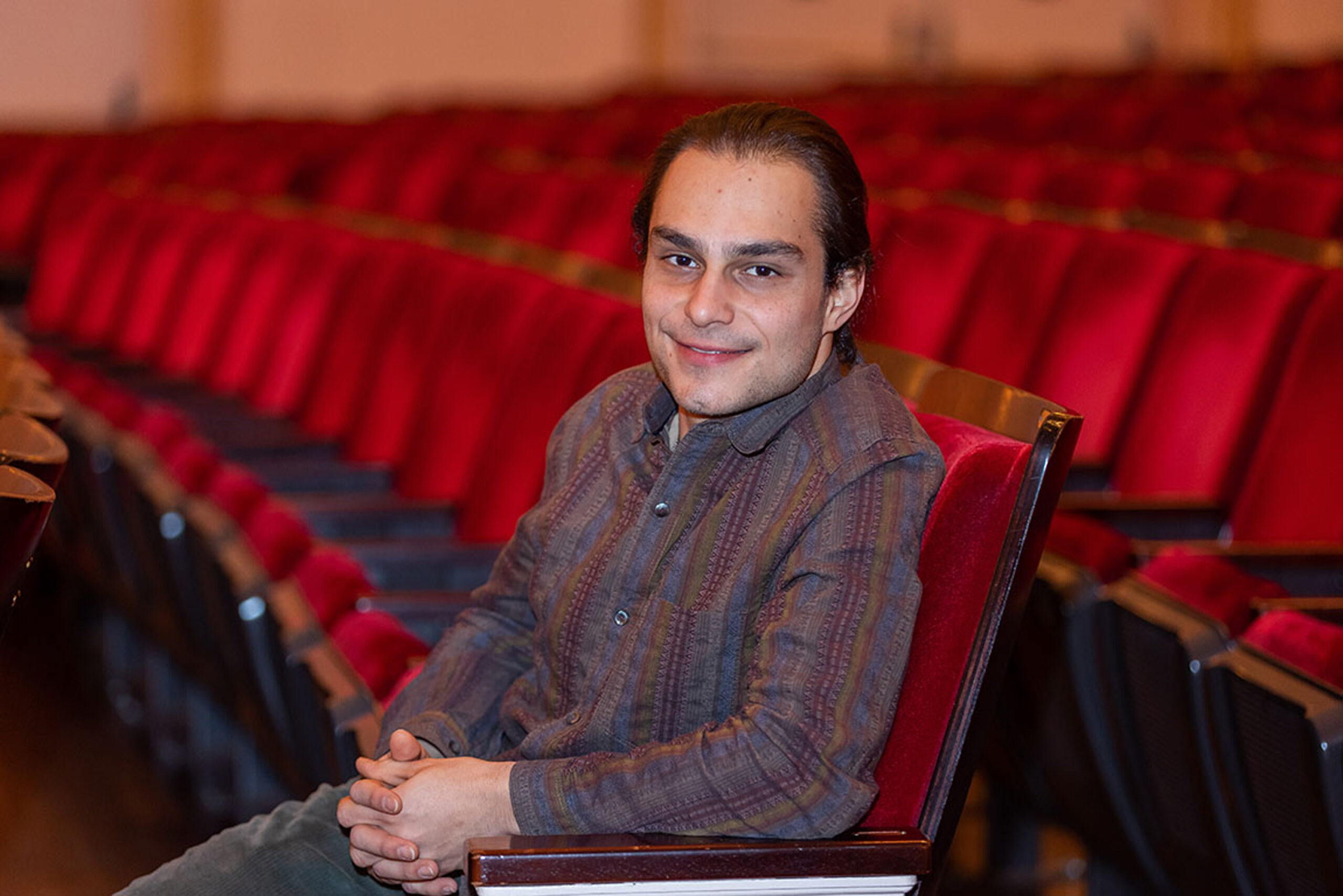
Joshua Barnett ’21
Doing something you enjoy while having to finish schoolwork is the first taste of work-life balance. This prepared me perfectly for the real world.READ BARNETT'S STORY
Computer Science News
Muhlenberg’s Competitive Programming Team
The team, whose members jokingly call it “Nerd Club,” took third place in the Consortium for Computing Sciences in Colleges Northeast Region competition, again outperforming…
Read MoreAbhilasha Talwar
Summer Research: Abhilasha Talwar '28 Uses Digital Mapping Tools for Religion Studies Research Talwar, a computer science and mathematics double major, is exploring how religious…
Read MoreVictory for Muhlenberg's Competitive Programming Team
The group of computer science and mathematics students, who refer to themselves as "Nerd Club," took first place in the Consortium for Computing Sciences in…
Read More