Comparative Literary Studies
Read across cultures. Think across boundaries. Understand how stories shape how we see the world — and one another.
Why comparative literary studies matters:
Comparative literary studies invites students to explore literature across languages, cultures, and time periods. It’s a discipline grounded in big ideas — identity, justice, desire, power — and sharpened by theory, from feminism and post-colonialism to eco-criticism and queer studies. In a global, multilingual world, reading comparatively helps us understand the complexity of the human experience.
How comparative literary studies is taught at Muhlenberg:
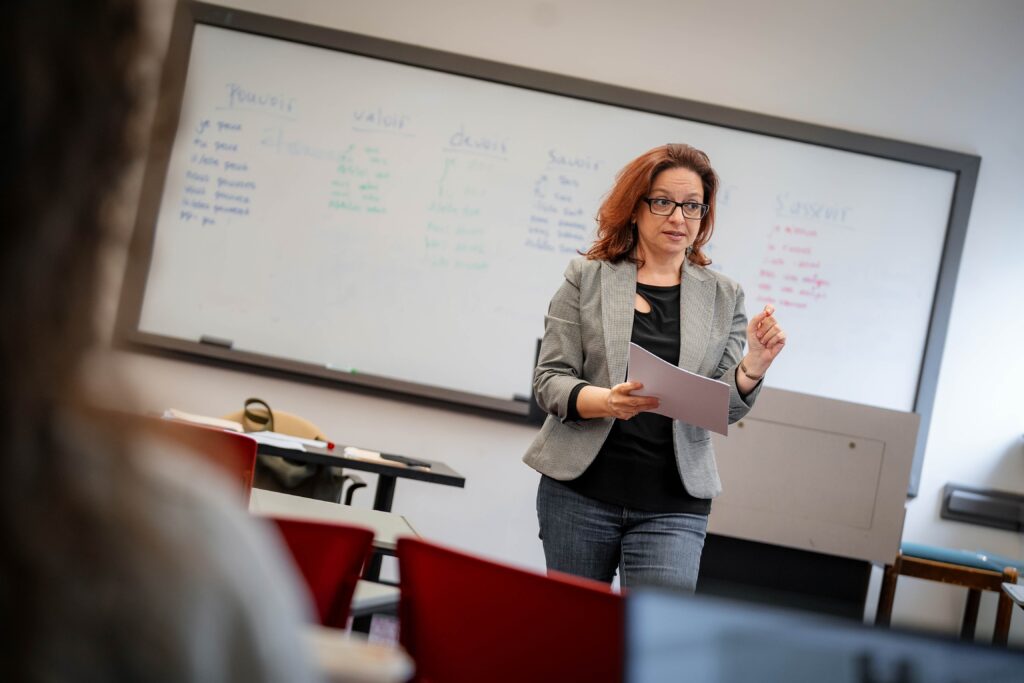
Housed in the Department of English Literatures and Writing, the minor has students working closely with faculty to analyze texts in translation or in their original languages. Students are encouraged to engage with literary theory, interdisciplinary inquiry, and global perspectives. With our robust literary programs in both English and a number of other linguistic traditions (Spanish, French, Italian, Hebrew, and more), our multilingual students are afforded the possibility of exploring literary texts in their original language.
- 93%of graduates begin a career or advanced studyBy six months after graduation
- 9:1student-to-facultyClassroom ratio
- Top 10%for ROIAmong all U.S. colleges and universities
- 91%retention rateMost Muhlenberg students return for their second year
Request Info
The comparative literary studies minor blends literature and theory through a flexible, interdisciplinary structure. Students explore texts from different linguistic traditions and time periods, while developing fluency in critical approaches such as post-colonial, psychoanalytic, or feminist theory. The program complements majors in English, languages, media and communication, and the arts.
Comparative literary studies students often participate in creative and critical writing, community storytelling projects, or research presentations. The program fosters close reading, persuasive writing, and expansive thinking — skills that translate into graduate study, teaching, publishing, and nonprofit or policy work.
No faculty members found.

Powerful Outcomes
A Muhlenberg education sets you up for success. The liberal arts will hone your ability to think critically, communicate, and problem-solve, skills that are in high demand across all employment sectors.
Mules Making a Difference
Student-Athlete Erin DiSandro ’26 Receives NCAA Postgraduate Scholarship
The field hockey player, a pre-health biology major and public health minor, will be attending medical school at the Lewis Katz School of Medicine at…
Read MoreCareer Center Coaching Helps Olivia Reiss ’26 Land Theatre Job
Reiss, an English and theatre double major, has a contract with Surflight Theatre in New Jersey after graduation.
Read MoreInterfaith Organization Highlights Sabeen Safi ’26
Safi, a pre-dental public health major and student body president, helped build an interfaith space in Seegers Union.
Read More