Media and Communication
Shape the stories that shape the world through ethical, creative, and informed media-making.
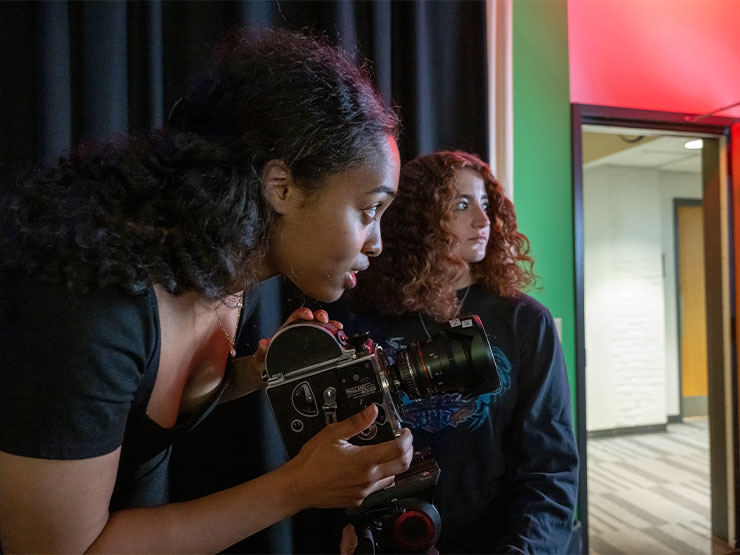
Why media and communication matters:
In a world where media shapes culture, politics, and connection, studying media and communication develops your ability to think critically, communicate clearly, and create responsibly. You’ll gain an understanding of how media functions across industries and societies while building the skills to contribute meaningfully to conversations, storytelling, and problem-solving in a rapidly evolving media landscape.
How media and communication is taught at Muhlenberg:
At Muhlenberg, the program’s distinctive blend of theory and practice ensures you develop both the conceptual tools to analyze media’s influence and the hands-on skills to create it. With nationally recognized faculty, small classes, and a collaborative learning environment, you’ll investigate media’s social, political, and cultural contexts while producing films, podcasts, articles, websites, and more. This approach prepares you for success in emerging and established fields alike — from journalism and broadcast media to marketing, public relations, and digital production.
- 100%of media and communication majorsmake media in their classes
- 100%of first-year media comm studentscan utilize the college’s media-making equipment
- 93%of all graduates begin a career or advanced studyby six months after graduation
- 91%retention rateMost Muhlenberg students return for their second year.
Request Info
The media and communication curriculum is anchored in four required courses: Media and Society, Documentary Research, Media Theory and Methods, and the capstone Ways of Seeing. These courses weave together critical analysis and creative production, guiding you to approach media thoughtfully and with care. Beyond the core, you can explore a wide range of topics including Feminist Media Studies, Global Media, Race and Representation, Podcasting, Environmental Journalism, and Interactive Web Design. The program’s balance of theoretical insight and practical skill-building ensures you graduate ready to navigate — and shape — the ever-changing media landscape.
Media and communication students have access to state-of-the-art production equipment from their first day in the program and can apply their learning through internships, on-campus media outlets, and study abroad. You might write for The Muhlenberg Weekly, host a radio show on WMUH, or produce a short documentary. Experiences like this ensure you graduate not only with a strong academic foundation, but also with the professional skills and network to thrive in a media-focused career.
- Collaborated with faculty to receive summer research grants that support the production of original films, expanding their filmmaking practice beyond the classroom
- Worked for the local news outlet the Allentown Voice under the mentorship of Senior Lecturer Sara Vigneri, writing deeply researched journalism articles and gaining editorial experience
- Served as research assistants for faculty like Professor Elizabeth Nathanson, who has published articles with student co-authors
- Worked with Associate Professor David Romberg to curate and launch a student-led film festival
- Gone on to attend prestigious graduate school programs at institutions like Syracuse University, the London School of Economics, and The University of Cincinnati
Hear From Media and Communication Alumni

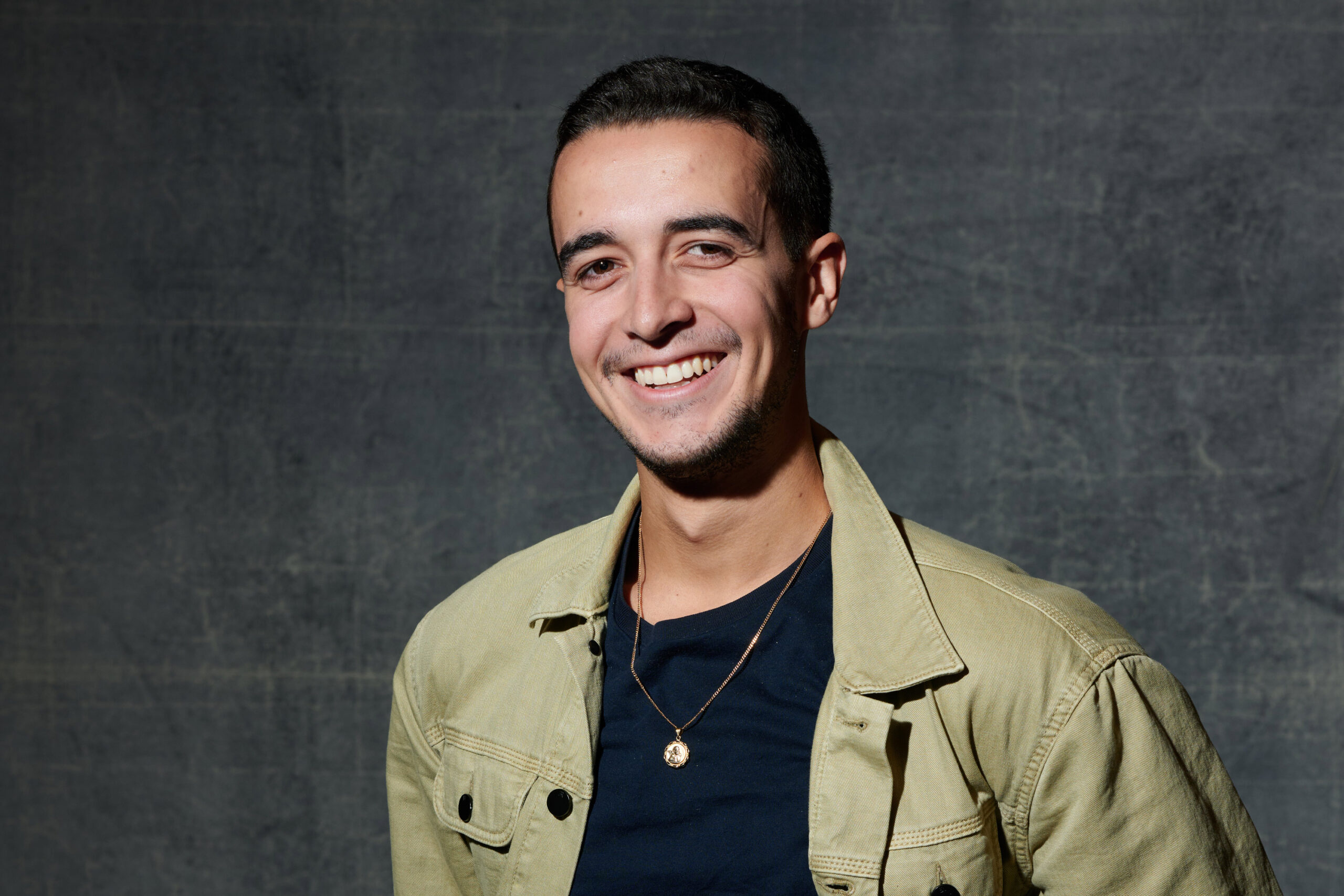

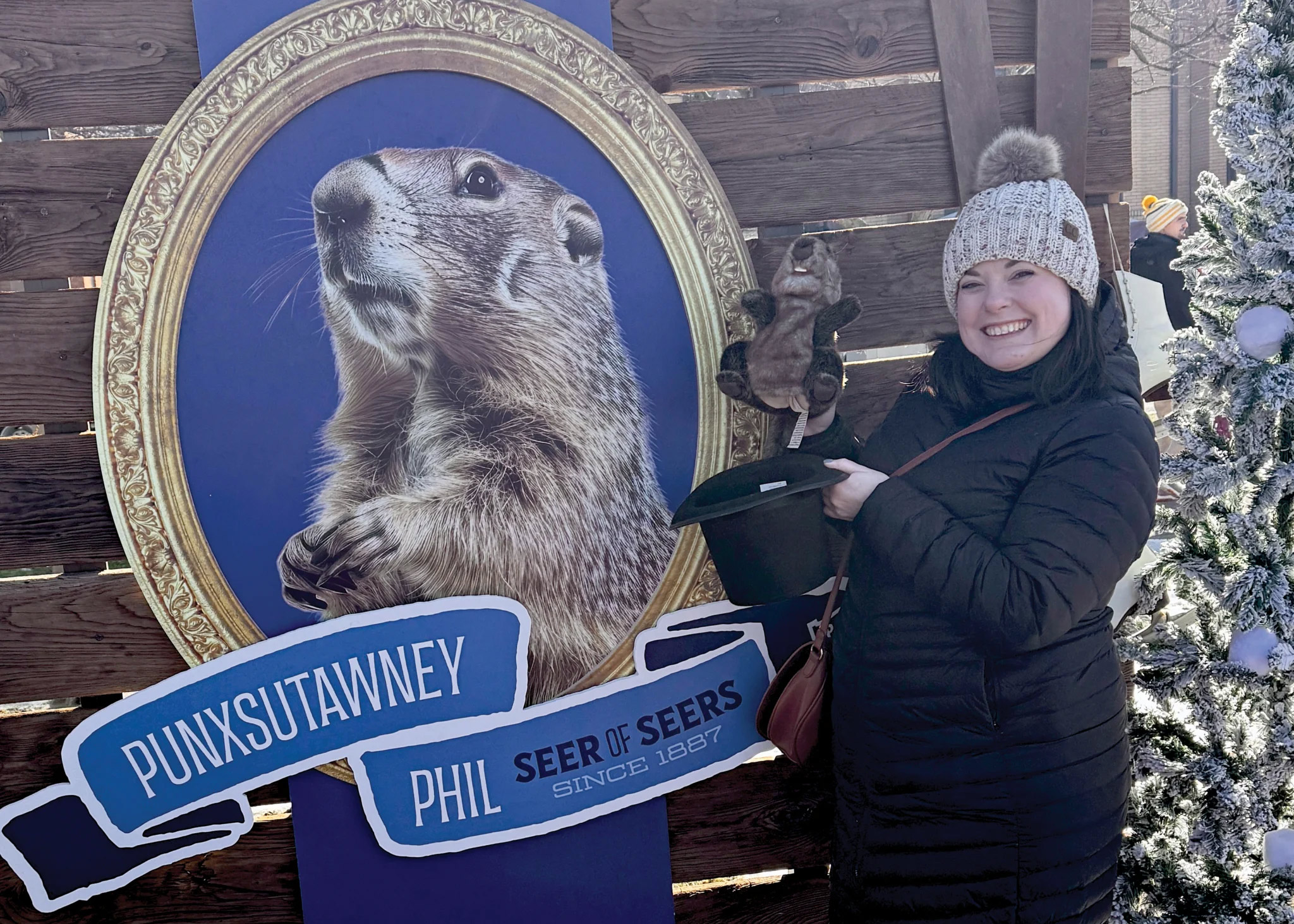
Kaitie Burger ’12, a media and communication major and dance minor, is the executive director of the Pennsylvania Tourism Office.
Powerful Outcomes
A Muhlenberg education sets you up for success. The liberal arts will hone your ability to think critically, communicate, and problem-solve, skills that are in high demand across all employment sectors.
Media and Communication News
Four Faculty Receive Tenure and Promotion
Earning tenure in 2026 are Katie Bucher (education), Michael Buozis (media and com), Gregory Collins (business), and Sarah Runcie (history).
Read MoreLindsay Batzar ’26 Works the Grammy Awards
The media and communication and film studies double major is building toward a future in the music industry.
Read MoreSierra Addy ’27 Completes Internship With Local Media Company
Addy, a media and communication and studio art double major, connected with the owner of McKinney Media while both were photographing Alumni Weekend 2024.
Read More