Preventing Bird-Window Collisions

Preventing Bird-Window Collisions

Research and solutions from Muhlenberg’s Acopian Center for Ornithology

Collisions with glass kill up to 3.5 billion birds in the United States each year, with potentially billions more worldwide. And this killer is indiscriminate — taking the strong as well as the weak, creating environmental devastation.

However, everyone can prevent bird-window deaths and make an immediate difference in this important conservation battle, according to Daniel Klem Jr., Sarkis Acopian Professor of Ornithology and director of the Acopian Center for Ornithology.

Klem’s research shows that the majority of collisions occur year-round, and not only during the migratory periods. According to related research, low-rise commercial buildings (four stories or less) account for the greatest number (54%) of bird-glass deaths, followed closely by residential homes (45%). Lights Out programs are very important during the fall and spring bird migration periods, especially in urban areas with high-rise buildings, where an individual building can kill thousands of birds in a day, but this only accounts for 1% of the total annual mortality due to collisions with glass.

Why It Happens

Birds cannot see glass, which poses two major problems: the glass is either transparent and clear or reflective and confusing. Either way, the result is often a fatal collision.

What You Can Do

  • Make glass visible to birds using stickers, strings or film in a 2” x 4” pattern. Other DIY and affordable options for homeowners and renters include closing blinds and keeping screens on windows year round. Detailed instructions are available below.
  • For new construction or replacement windows, current options include acid-etched and fritted glass and many other visible patterns to reduce collisions. Select manufacturers currently have, and others are developing, new solutions using ultraviolet (UV) patterns since it is visible to birds but invisible to us. Research is ongoing to determine whether UV alone can be an effective deterrent to collisions. All effective UV currently in use does have a visible component.
  • Advocate! While the actions of individuals make a difference, larger-scale efforts are needed to save birds from this fate. Klem says we can achieve this by working together to influence city, state and federal governments to require bird-protective legislation and building requirements.

Resources for Research and Advocacy

Bird-Window Collision Lists

Link Arrow
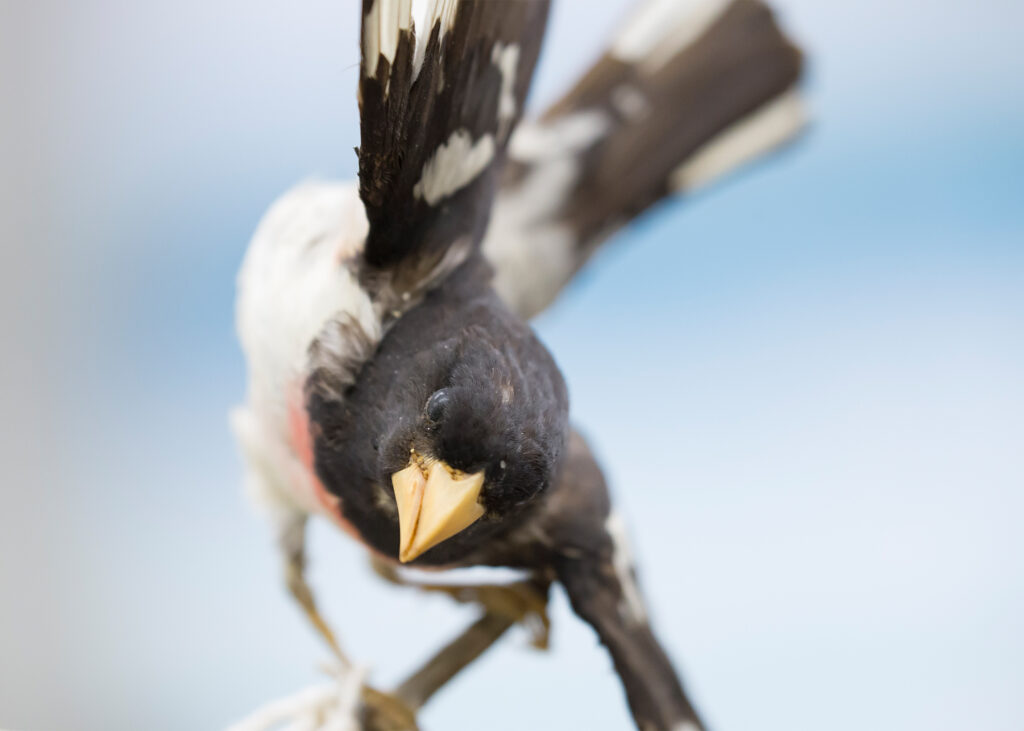
A taxidermized rose-breasted grosbeak is posed in flight.

Browse our database of bird-window collision lists, including global counts and lists sorted by country.

VIEW COLLISION LISTS

You Can Make a Difference

Link Arrow
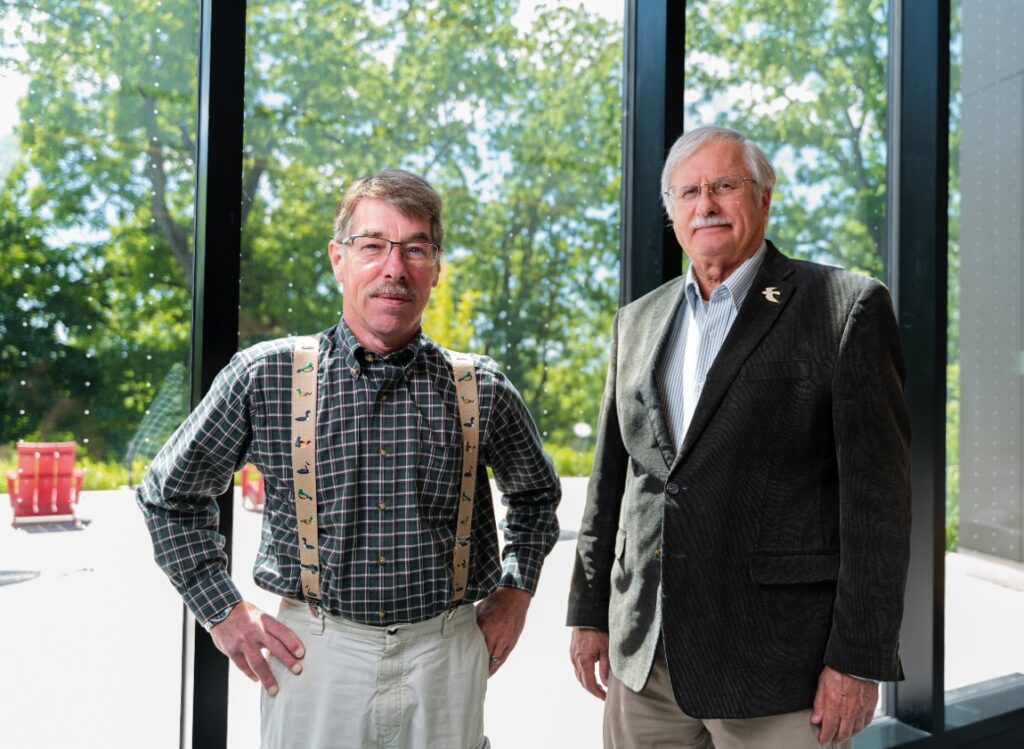
Ornithological Specialist Peter G. Saenger and Professor Daniel Klem stand near the windows of Muhlenberg College's Fahy Commons, which feature bird-friendly glass coating.

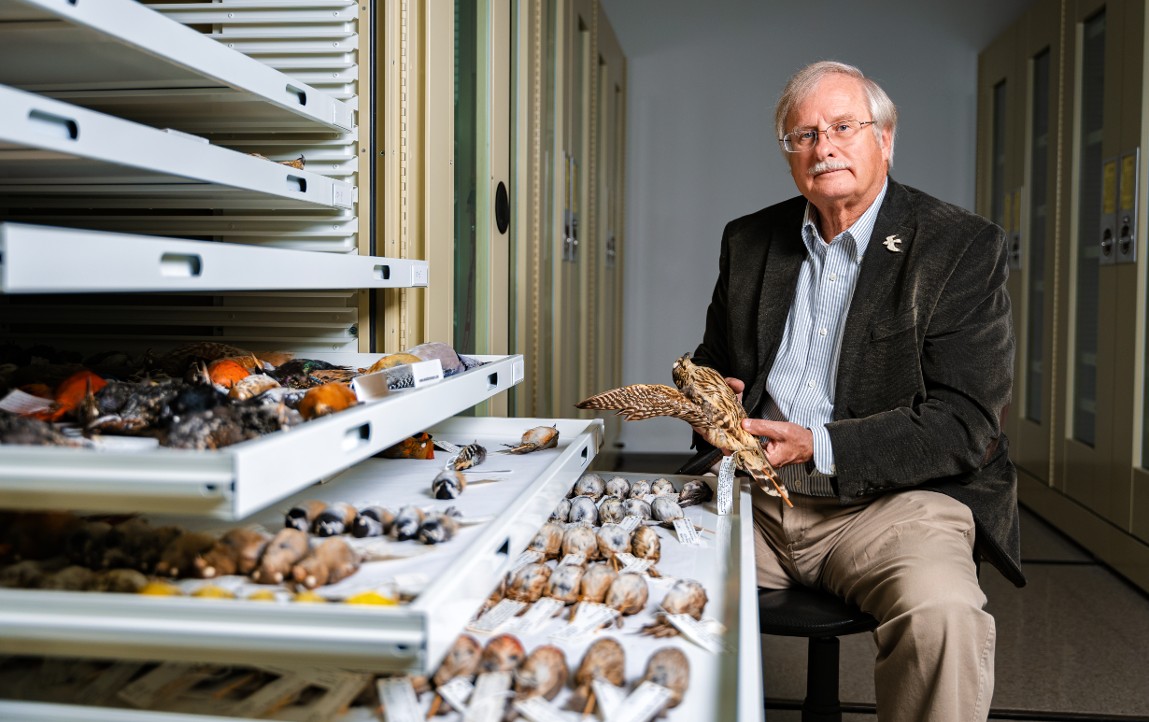
Explore resources, including collision-prevention brochures, ways to keep your native plant yard bird-safe, and a report for builders that demonstrates how bird safety doesn't have to break the bank.
EXPLORE OUR RESOURCES