Our Faculty
Expertise — and a dedication to teaching and mentorship — sets students up for success.
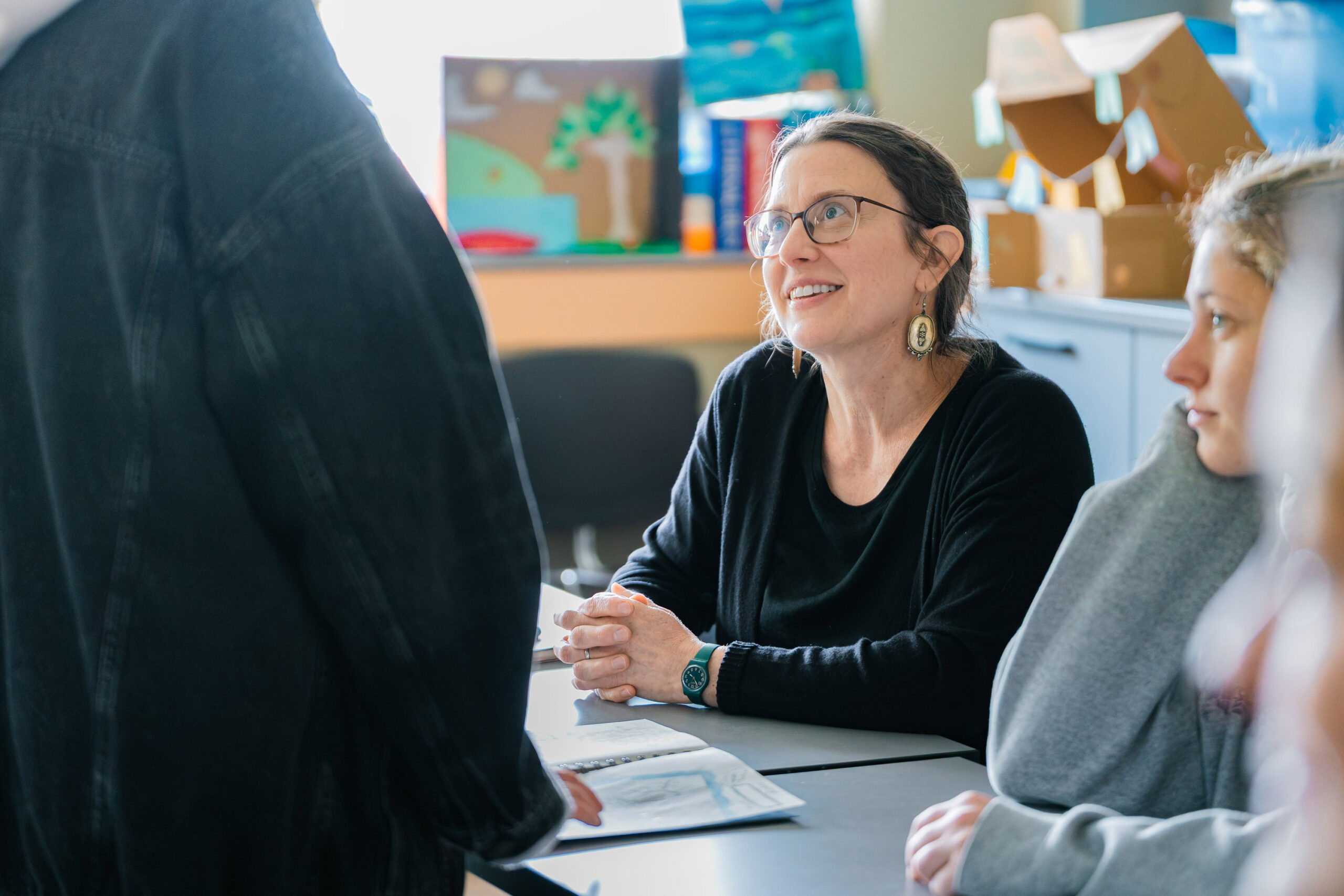
Katie Bucher Teaches Tomorrow’s Teachers
Bucher is helping to build a community of critically minded educators who will support one another even after they’ve embarked on their teaching careers.
Faculty in Focus
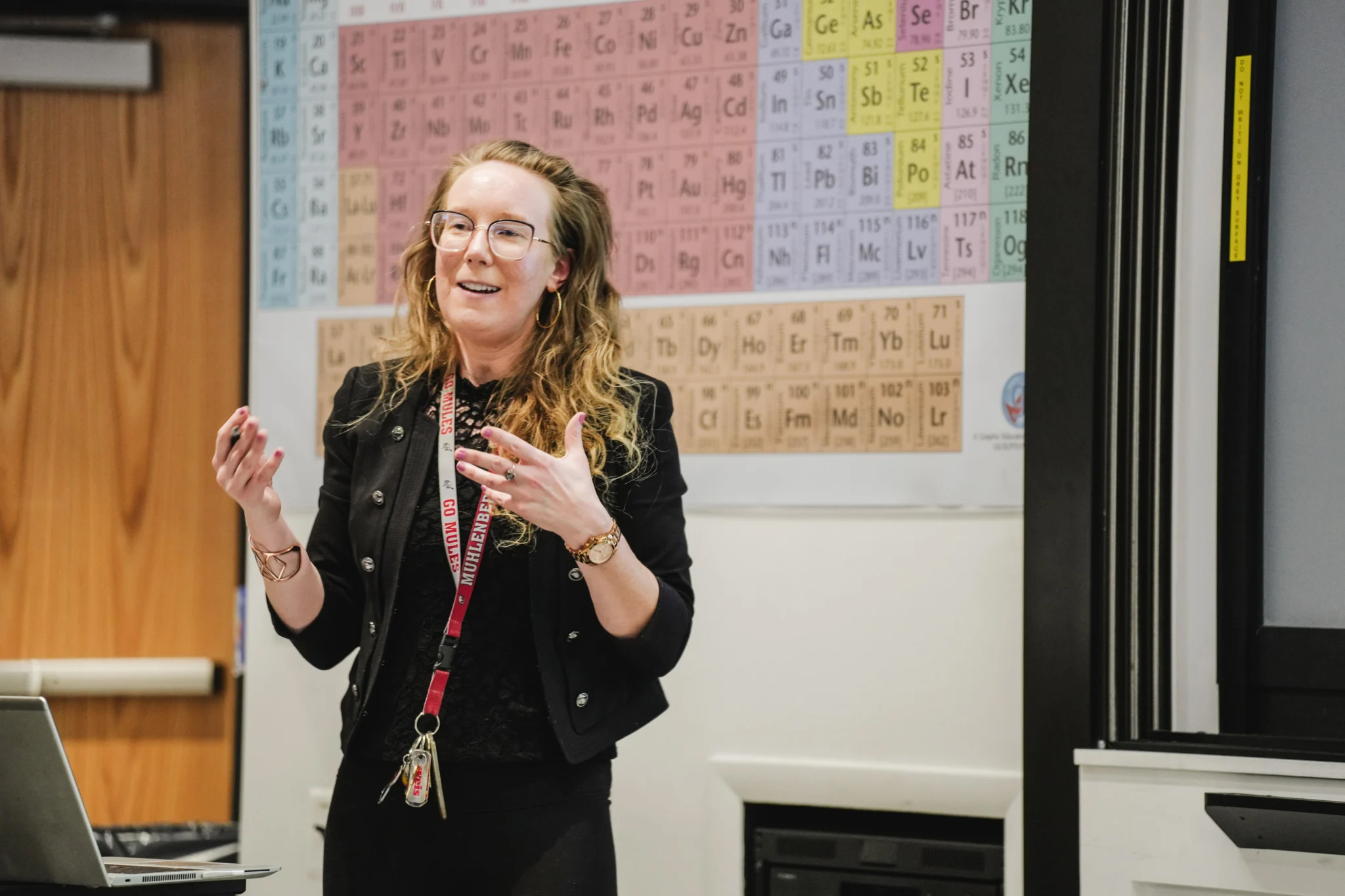
Why I Study the Delivery of Anti-Inflammatory Drugs to the Brain
Associate Professor of Chemistry Sherri Young explains how she became interested in medicinal chemistry and the research she does with students on campus.
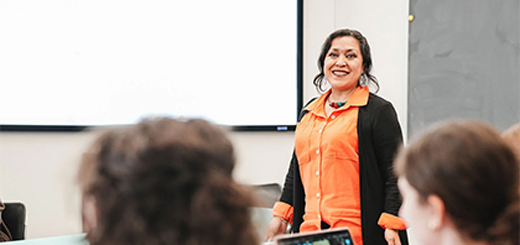
Leticia Robles-Moreno (Theatre) Collaborates and Creates
Robles-Moreno centers community-building and working together in her time with students in the classroom, on the stage, and beyond.
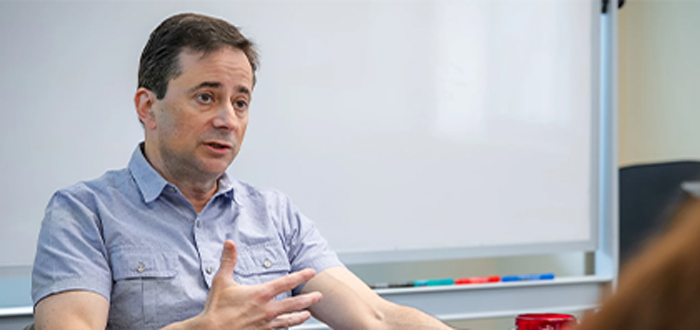
Why I Study Thriving with ADHD
Professor of Psychology Mark Sciutto explains how he became interested in psychology and exploring how people who have ADHD are thriving.
The Muhlenberg Center for Teaching and Learning (MCTL) seeks to cultivate on our campus a shared culture of reflection about teaching that encourages and supports meaningful experimentation. Faculty members at all career stages are essential to creating this culture as well as partnerships with staff across campus who are invested in student learning. Because reflecting on our teaching is richest in an environment that fosters an exchange of perspectives, our programs aim to provide a wide range of opportunities for collaboration among colleagues both within and across disciplines.