Chemistry
Discover what drives change at the molecular level and provides the foundation for innovation.
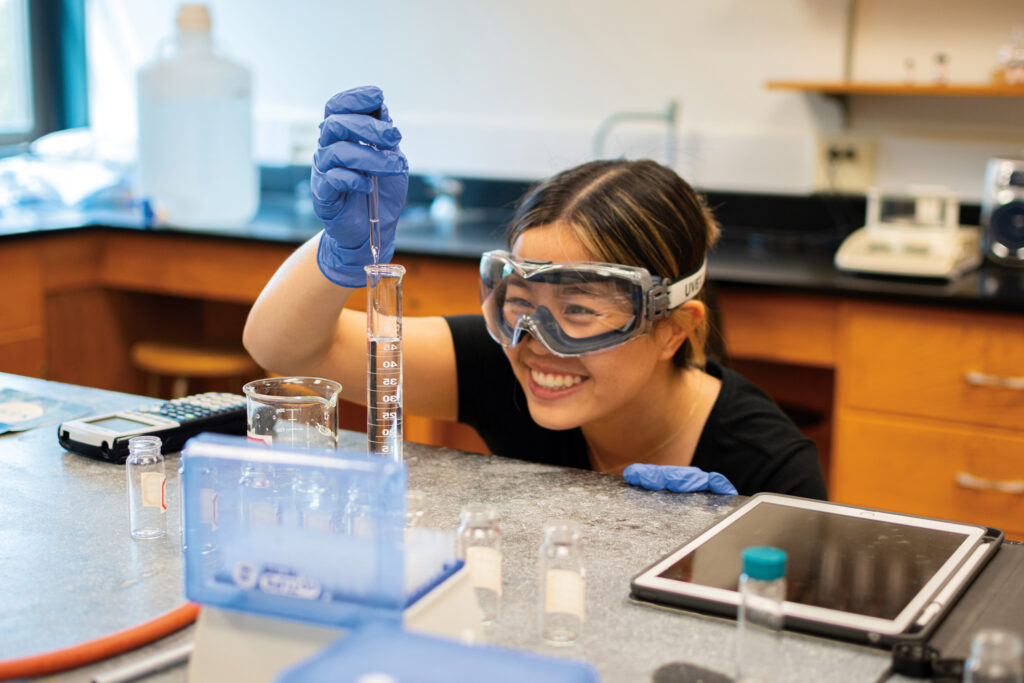
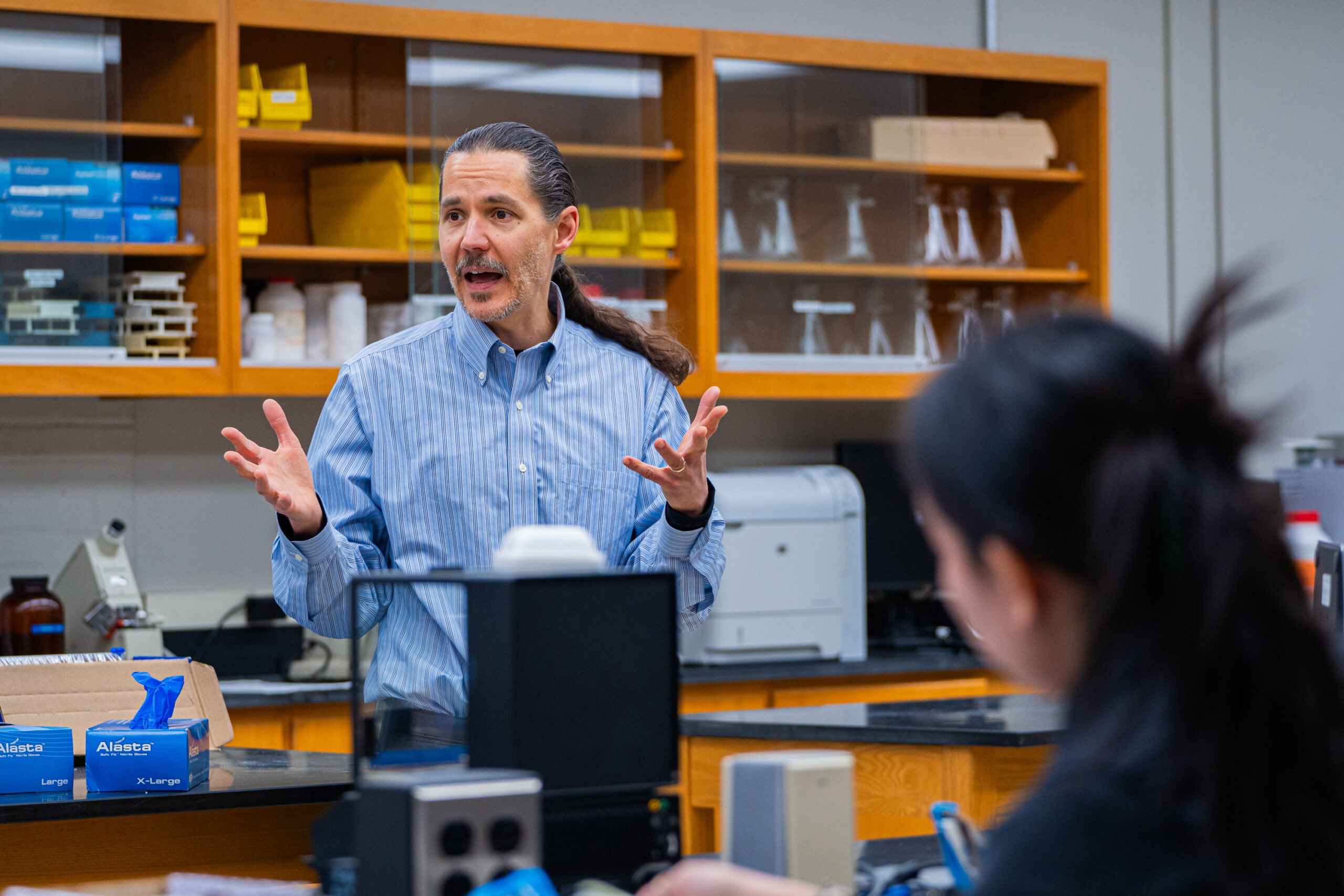
The chemistry major combines a rigorous core of lecture and lab courses with interdisciplinary flexibility and student choice. Courses build progressively, emphasizing experimental design, data analysis, and scientific communication. Electives allow students to explore specialized topics or tailor the major to interests in research, health professions, education, or science communication.
Muhlenberg’s Department of Chemistry is accredited by the American Chemical Society (ACS), and students may pursue additional coursework toward ACS certification. Those with advanced interests may also apply for the department’s honors program to complete original research and present their findings publicly.
Students build foundational skills in biological theory and practice, with the flexibility to pursue advanced coursework aligned with their goals. The major prepares students for graduate study in the life sciences, health professions, education, environmental fields, and more. Students with strong academic records may apply to the department’s honors program, which includes original research and a public presentation.
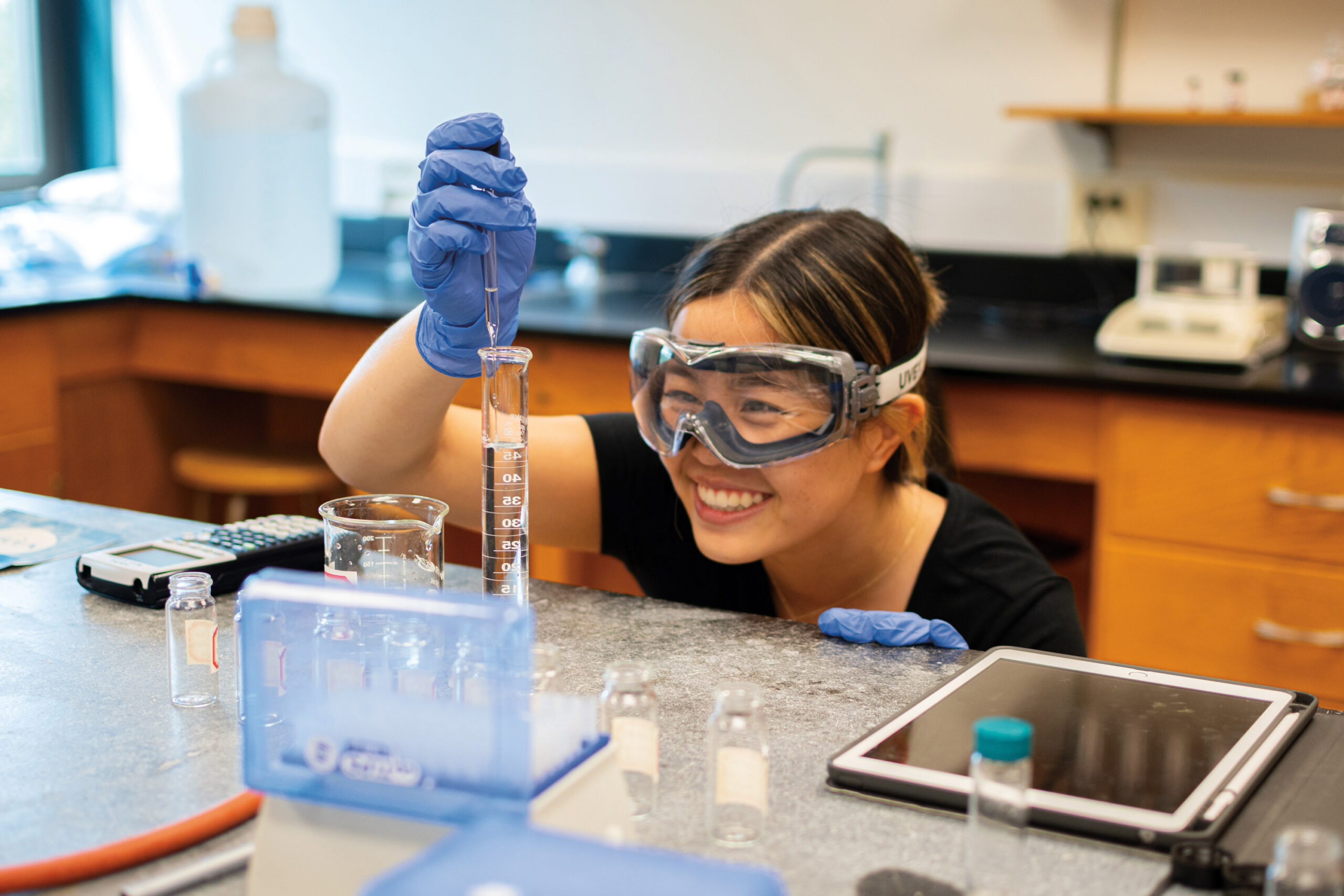
Chemistry students at Muhlenberg are immersed in lab work from the start. Through faculty-mentored research, independent study, and summer projects, students gain real-world experience with scientific methods and instrumentation. Faculty-led research projects include:
the discovery of new organic reactions using photochemistry (Ian MacKenzie)
harnessing the power of enzymes to make new antibiotics (Keri Colabroy)
the synthesis of novel molybdenum and tungsten compounds with interesting shapes (Joseph Keane)
the synthesis and biological evaluation of novel anti-inflammatory drug derivatives (Sherri Young)
the computational modeling of fluorescent polymers (Juan Duchimaza)
the analysis of chemical, physical, and biological properties of soil and water samples from The Seed Farm, an organic farm incubator (Karen Tuerk)
the long-term monitoring of urban stream health using physical, biological, and chemical assessment (Karen Tuerk and Erika Iyengar)
Many students present at conferences or co-author publications before they graduate.
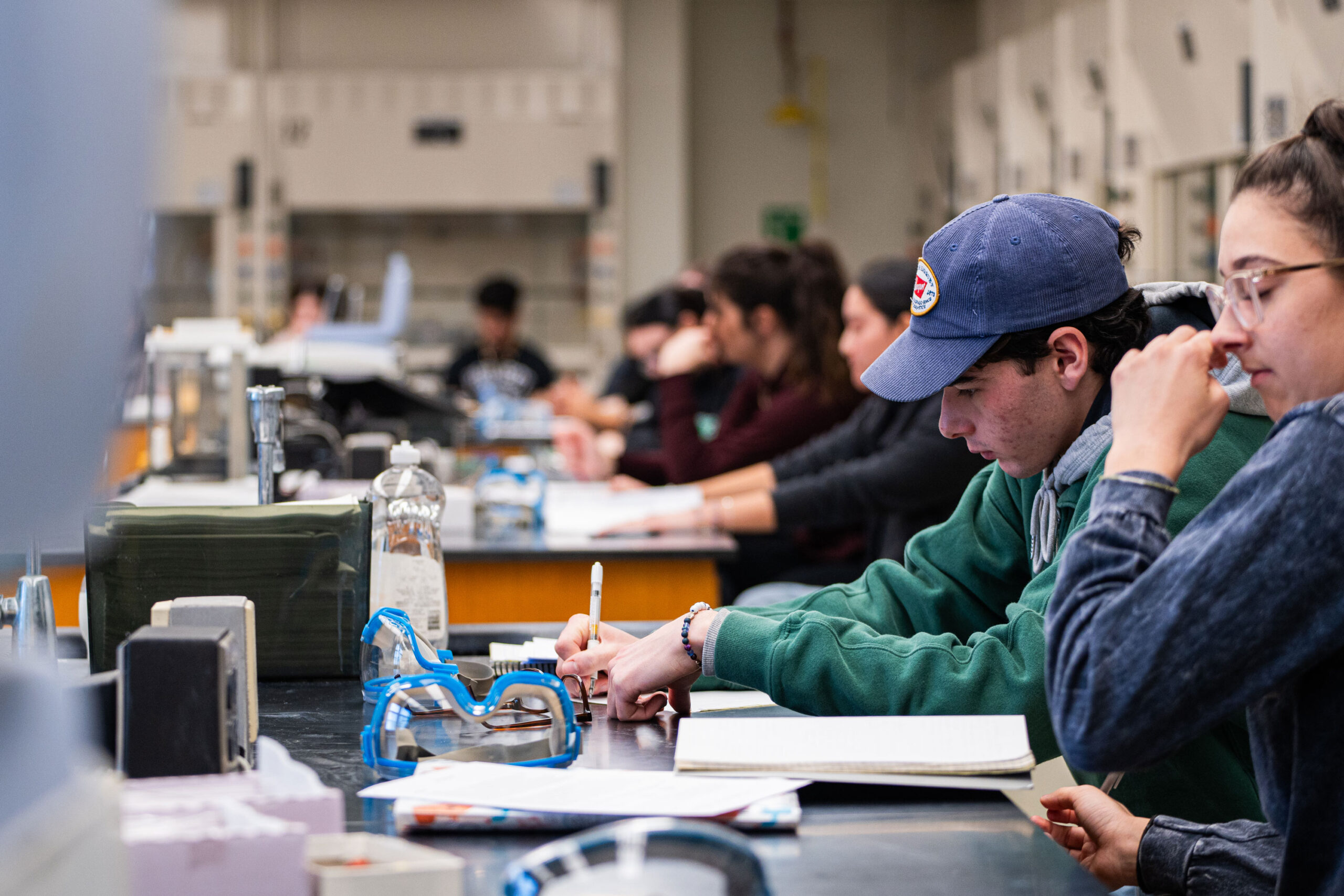
Special opportunities like Project Lab, an open-ended experimental course for select first-year students, give early access to discovery-based learning. Upper-level students deepen their skills in small organic chemistry labs and may complete honors research that culminates in a professional presentation and oral defense.

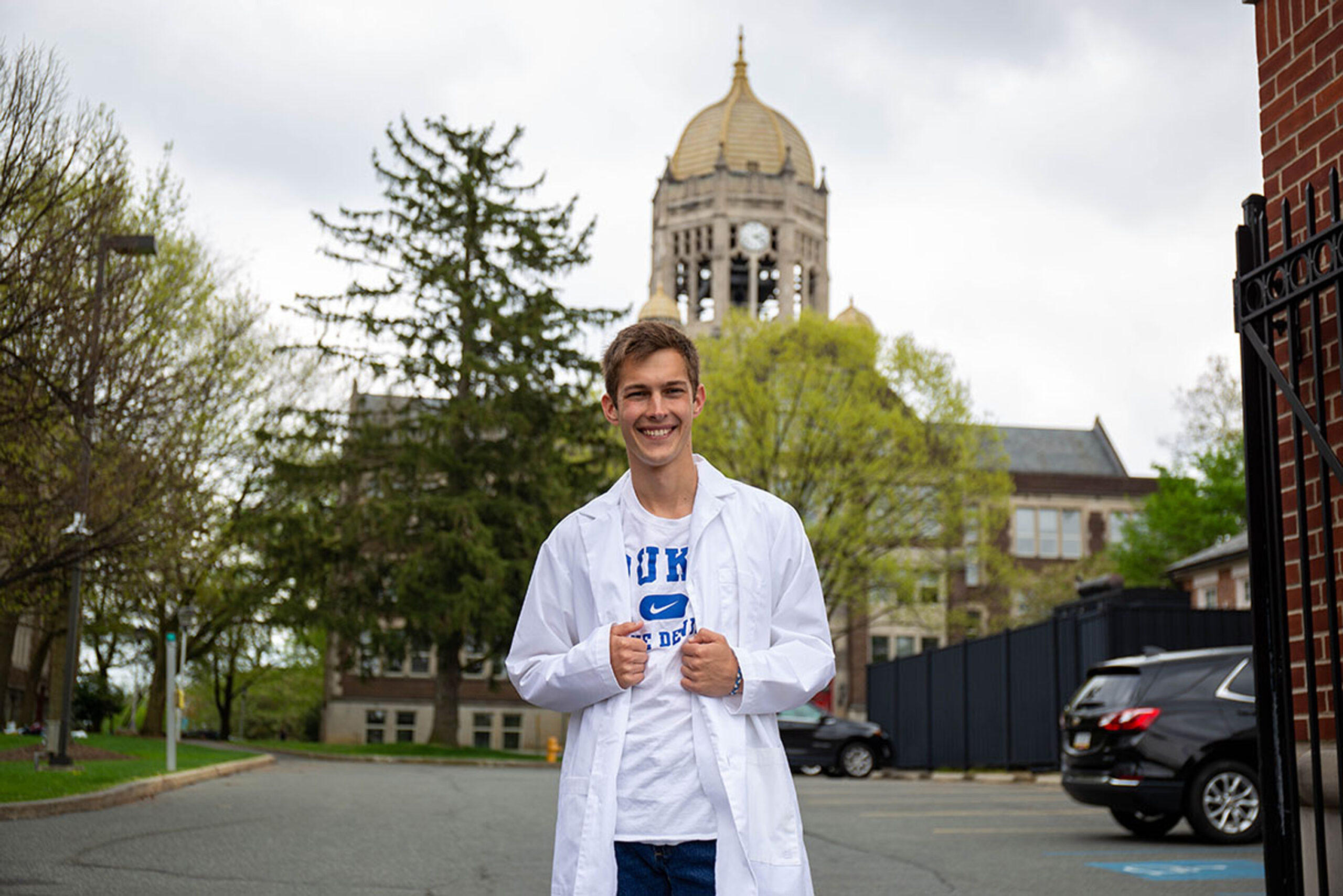
Samuel Roter ’25
There are so many applications [for chemistry]. I have developed a real love for early-stage drug development because of the opportunities I’ve had [at Muhlenberg], and I am excited to explore what may come next.READ ABOUT ROTER'S RESEARCH
Powerful Outcomes
A Muhlenberg education sets you up for success. The liberal arts will hone your ability to think critically, communicate, and problem-solve, skills that are in high demand across all employment sectors.