Music
Connect cultures and ideas through thoughtful performance and study.
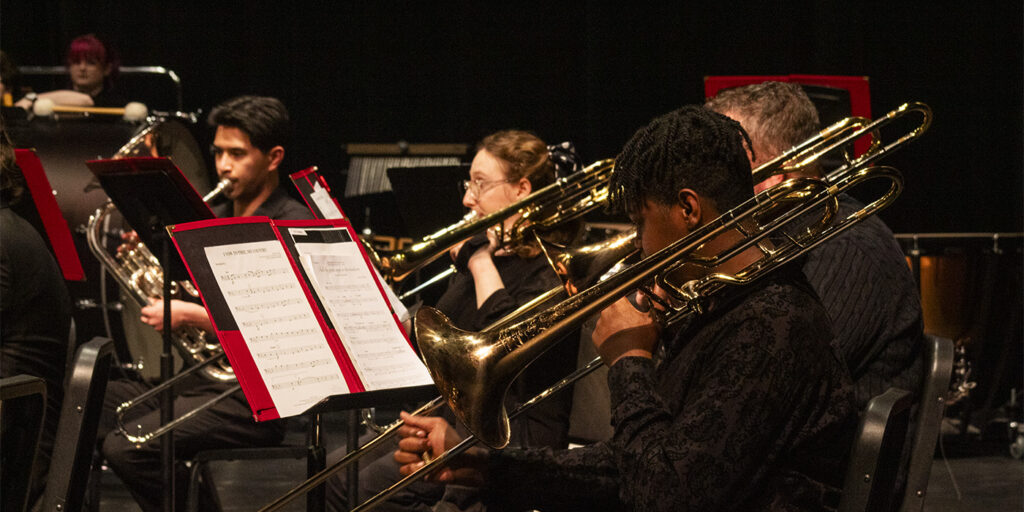
Why music matters:
Music is a universal language that carries memory, identity, and emotion across borders. It builds community, fosters empathy, and gives voice to complex human experiences — from celebration and ritual to reflection and change. Studying music develops rare combinations of skills: disciplined practice and creativity, close listening and collaboration, analysis and improvisation. Those habits of mind translate far beyond the stage or studio, preparing you to communicate clearly, solve problems in teams, and engage diverse audiences — abilities prized in the arts, education, health fields, technology, business, and more.
How music is taught at Muhlenberg:
At Muhlenberg, music is both art and inquiry. You will explore performance, theory, composition, and music history in a collaborative environment that values inclusive repertoire and culturally responsive musicianship. Distinguished faculty mentor you in small classes, inviting you to connect technique to context and to shape a personal artistic voice. The department’s breadth — unusual for a liberal arts college — means abundant ensembles, guest artists, and creative projects, alongside the flexibility to tailor a path in performance, music history, or music theory/composition. Within the liberal arts, you will link music to fields like theatre, film, neuroscience, or public health, graduating with the creative confidence and intellectual range to thrive.
- 93%of graduates begin a career or advanced studyBy six months after graduation
- 9:1student-to-facultyClassroom ratio
- Top 10%for ROIAmong all U.S. colleges and universities
- 91%retention rateMost Muhlenberg students return for their second year
All majors build a common foundation before choosing a concentration in performance, music history, or music theory/composition. Courses connect technique and context; examples include Global Pop, Women in Music, History of Jazz, Counterpoint, Electronic Music, Opera, and the Senior Seminar. You will refine analysis, composition, research, and communication through recitals, portfolios, and scholarly projects, developing the musical and critical skills suited to graduate study or careers that value disciplined creativity.
Students take their learning to the stage through dozens of concerts and more than 12 ensembles spanning orchestral, wind, jazz, vocal, early music, and contemporary work. You can perform in chamber groups and choirs, join an opera workshop and percussion ensembles, and work with guest artists in masterclasses and festivals. Many students pursue internships, community-engaged projects, or faculty-mentored research; others complete an honors thesis in music history, music theory, or ethnomusicology. The result is a robust portfolio of performances and projects — and the experience to step confidently into professional roles in the arts and beyond.
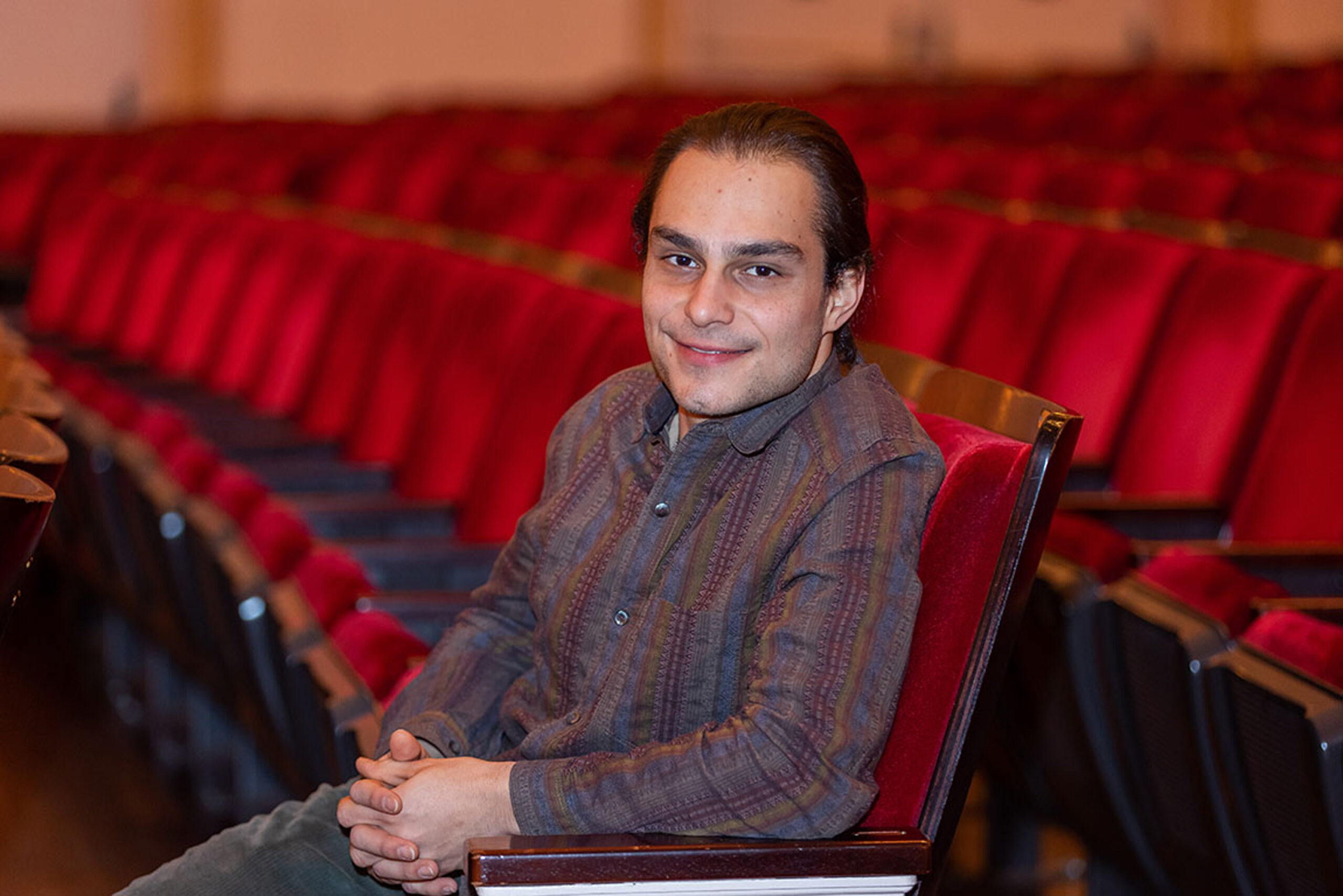
Zachary Schur ’19, a music and computer science double major, became a web developer at Carnegie Hall in New York City.
Powerful Outcomes
A Muhlenberg education sets you up for success. The liberal arts will hone your ability to think critically, communicate, and problem-solve, skills that are in high demand across all employment sectors.
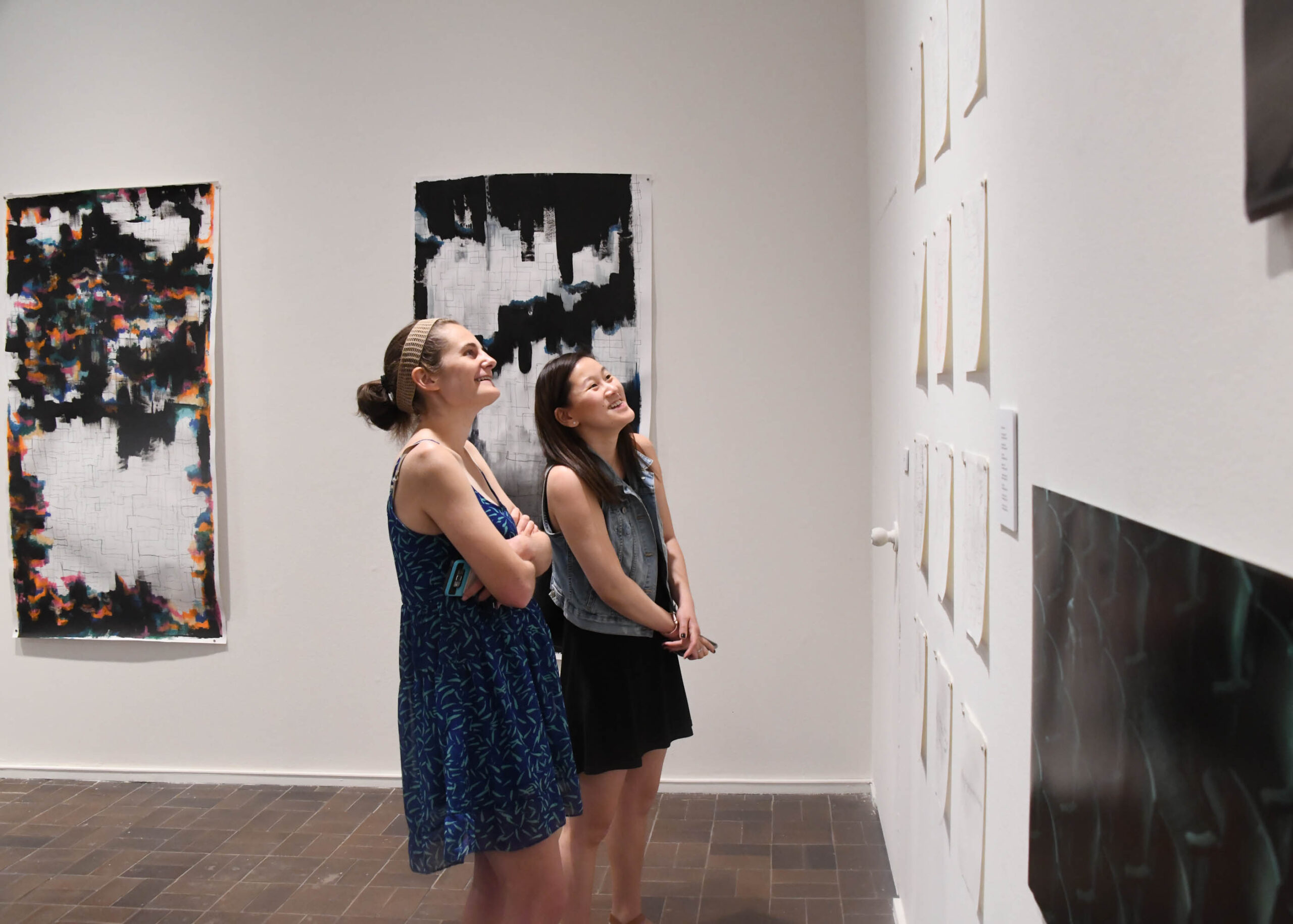
Arts at Muhlenberg
Creative expression is a pivotal part of the Muhlenberg experience. From the stage to the gallery wall, students at Muhlenberg are encouraged to engage in the creation and appreciation of a wide variety of artistic endeavors.
Music News
My Internship at a Local Arts Nonprofit
Student writer Marie Tohill ’25 has a public relations internship that is showing her what her ideal career may look like.
Read MoreDaisy Cunningham
Cunningham was among the founding members of A-Town Records, a student-run record label and music association. She also conducted research in music and held an…
Read MoreSenior's Composition Featured in Allentown Symphony’s Chamber Music Series
Eamon Bonner '25, who is focused on theory and composition, was one of 11 professional composers honored by the Allentown Symphony Orchestra.
Read More