Public Health
Advance the health of communities through science, policy, and human connection.
Why public health matters:
Public health is dedicated to protecting and improving the well-being of individuals, communities, and populations — especially those at risk for injury or disease. It draws on knowledge from the natural sciences, mathematics, social sciences, and humanities to address the behavioral, economic, political, and cultural factors that influence health outcomes. By studying public health, students gain the tools to design, evaluate, and advocate for interventions that improve quality of life, reduce health disparities, and promote equity at local, national, and global levels.
How public health is taught at Muhlenberg:
At Muhlenberg, public health is taught through a deeply interdisciplinary lens, combining rigorous academic study with hands-on engagement. Faculty mentors guide students in exploring topics like epidemiology, environmental health, health communication, and policy, while small class sizes encourage meaningful dialogue. Students are supported in tailoring the program to their interests, preparing for careers or graduate studies in public health, healthcare, social work, public policy, and related fields.
- 93%of graduates begin a career or advanced studyBy six months after graduation
- 9:1student-to-facultyClassroom ratio
- Top 10%for ROIAmong all U.S. colleges and universities
- 91%retention rateMost Muhlenberg students return for their second year
Request Info
The major builds a strong foundation in public health theory and practice through core courses such as Issues in Public Health, which introduces students to epidemiological principles, historical context, and strategies for health promotion and communication. Electives span diverse disciplines, enabling students to focus on areas like environmental policy, global health, or behavioral science. Public health minors select courses that complement their primary field of study while gaining valuable public health perspectives. Throughout the curriculum, an emphasis is placed on understanding health determinants and applying data-driven approaches to improve outcomes.
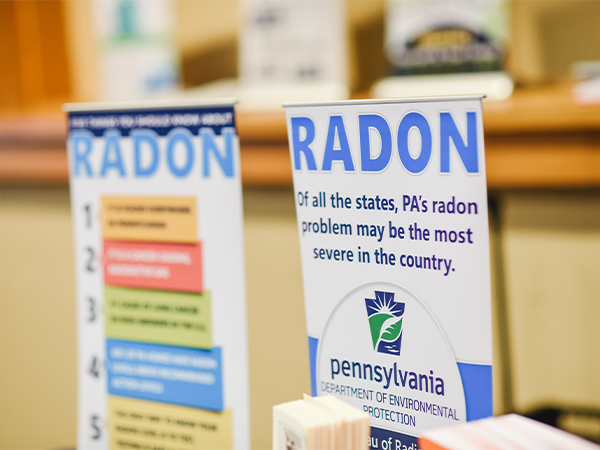
Students actively apply classroom learning through independent and collaborative research, community-engaged learning, and internships with local and regional organizations. Recent projects include multilingual public awareness campaigns for radon mitigation, smoke-free campus initiatives, and studies on vaping behaviors, air quality, and health communication within the disability community. Public health majors regularly intern at Allentown’s largest health networks, local shelters, food banks, nursing homes, and nonprofit organizations. Many join Peer Health Advocates at Muhlenberg (PHAM), leading campus-wide outreach to promote wellness and preventive care.

Powerful Outcomes
A Muhlenberg education sets you up for success. The liberal arts will hone your ability to think critically, communicate, and problem-solve, skills that are in high demand across all employment sectors.
Public Health News
Interfaith Organization Highlights Sabeen Safi ’26
Safi, a pre-dental public health major and student body president, helped build an interfaith space in Seegers Union.
Read MoreGreta Marchildon
Summer Check-In: Greta Marchildon '26, public health and history double major and field hockey student-athlete, is an intern at Sweetser, a behavioral health nonprofit.
Read MoreStudents Present Research in Spain
Summer Check-In: Three Students Present Research at Conference in Barcelona, Spain Sabeen Safi '26, a pre-dental public health major, shares her experience of presenting the…
Read More